• Home
  • About Us
  • Safaris
    • 3-Day Uganda Gorilla Trekking & Lake Bunyonyi Safari
    • 3 Days Uganda Gorilla Fly-In Safari.
    • 6 Days Uganda Safari – Wildlife, Gorilla and Chimpanzee Trekking Tour.
    • 9 Days Uganda Safari – Gorilla, Wildlife, Big 5 and Chimpanzee Tour.
    • 10-Day Uganda Big 5 Safari – Gorilla & Chimpanzee Trekking
    • 14 Days Uganda Safari – Hiking, Gorilla and Wildlife Tour.
  • Destinations
    • Murchison Falls National Park
    • Queen Elizabeth National Park Uganda
    • Bwindi Impenetrable National Park Uganda
    • Kibale Forest National Park
    • Explore Uganda’s Kidepo Valley National Park
  • Book a Safari
  • Travel Tips
  • Blogs
  • Home
  • About Us
  • Safaris
    • 3-Day Uganda Gorilla Trekking & Lake Bunyonyi Safari
    • 3 Days Uganda Gorilla Fly-In Safari.
    • 6 Days Uganda Safari – Wildlife, Gorilla and Chimpanzee Trekking Tour.
    • 9 Days Uganda Safari – Gorilla, Wildlife, Big 5 and Chimpanzee Tour.
    • 10-Day Uganda Big 5 Safari – Gorilla & Chimpanzee Trekking
    • 14 Days Uganda Safari – Hiking, Gorilla and Wildlife Tour.
  • Destinations
    • Murchison Falls National Park
    • Queen Elizabeth National Park Uganda
    • Bwindi Impenetrable National Park Uganda
    • Kibale Forest National Park
    • Explore Uganda’s Kidepo Valley National Park
  • Book a Safari
  • Travel Tips
  • Blogs
Facebook Instagram Youtube
The Batwa of Uganda

The Batwa Community Experience in Uganda

Blogs,  Culture

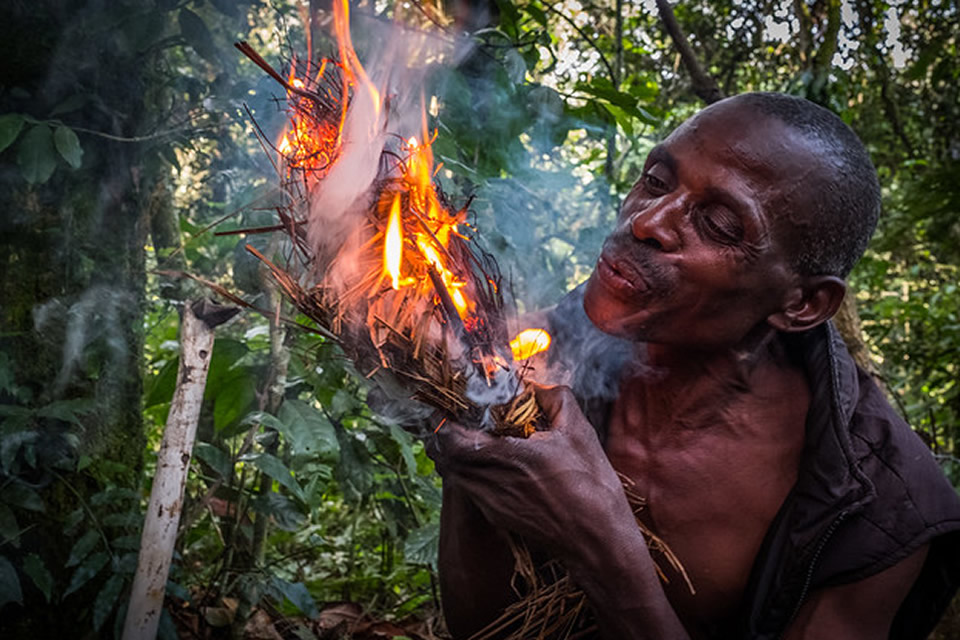
Places to visit The Batwa People / Community in Uganda Uganda is a country known for its diverse landscapes, rich wildlife, and vibrant culture. Among the many ethnic groups that call Uganda home, the Batwa people stand out as a unique and historically significant community. The Batwa, often referred to as “keepers of the forest,” are an indigenous people who lived in the forests of western Uganda until the early 1990s when these areas became national parks. They have a rich culture and history that is closely intertwined with the forests. Their existence is a true representation of the harmonious relationship between humankind and nature. The Batwa of Uganda treating a tourist to a cultural dance History of the Batwa Batwa tribe were the first people to inhibit the tropical rainforest and used to stay with mountain gorillas in harmony, it has been once their home for centuries. They used to eat the same food with mountain gorillas considering gorillas as part of their forest family. Visiting the Batwa tribe of Bwindi Impenetrable National Park can be an eye opener to you as a culture that will give a great view of the original people of South-western Uganda ‘’the Batwa’’. The Batwa tribe are historically hunters and gatherers who lived in the montane rainforest for the past 500,000 years. During those ancient years, there was no farming, no charcoal making and their shelter did not destroy the environment, and continued to live in peace with their beloved forests. Before there was a saying ‘’Amutwa’’ from Batwa which means loving the forest as much as they love their own body. Currently, the Batwa tribe are called Gorilla Killers and poachers reason being blamed for any poaching that takes place in Bwindi Impenetrable national park and Mgahinga Gorilla trekking. Honestly, the Batwa people were the first forest keepers til the Bantu people migrated into the area. The Bantu tribes then took charge, started to do deforestation since they were  Cattle keepers and used to graze their herds of cattle on the boundary of the forest which was once their reserving rainforest. Later in 1992, the life OF Batwa became a misery when the montane rainforest was turned into a national park and a UNESCO site inorder to protect the endangered Mountain Gorillas. The Batwa became conservation refugees which made life unusual for them and it was their start of suffering. Unfortunately, the Batwa tribe no longer stay in the forest that made up the park. For that case, in 2011 Uganda Wildlife Authority had to pull out a hand of help through getting funds from the United States Agency for International Development and Netherlands Embassy in Kampala to help this famous Batwa tribe in Buhoma sector of Bwindi Impenetrable National Park. This Batwa tribe has survived for years due to the International Gorilla Conservation Programme which handsomely pulled out a hand of help to work with the Batwa tribe. The organisation started the Buniga Batwa forest walk and Village visit program to assist them in terms of earning money for their social being through educating their children. This supportive program is located in the south end of Bwindi Impenetrable Forest. However, the wildlife and primate species found in Buniga forest were similar to those of Bwindi. The Batwa people have another amazing experience which was set up by the Kellerman foundation which is found outside the park where you can go and encounter more about the Batwa tribe. While visiting the Batwa people, you to learn how they used to hunt small animals, prepare local food, see their rudimentary tools, encounter their traditional houses built in huts made of grass, visiting the caves which impact tourism due to their creativity and hospitality to visitors. Their social life is full of unforgettable experiences. Culture of The Batwa Batwa communities are typically small and closely-knit, with a strong sense of community. They live in extended family groups and rely on each other for support. They place a strong emphasis on cooperation and communal decision-making although elders often hold significant influence in their communities. The Batwa have historically relied on hunting, gathering, and foraging for their subsistence. They are skilled hunters, using traditional methods such as bows and arrows and traps. They hunted small game like duikers, birds, and gathered fruits, tubers, and other forest resources. The Batwa have a rich oral tradition that includes storytelling, songs, and dance. These forms of communication are used to pass down their history, myths, and cultural knowledge from one generation to the next. They often speak their own distinct languages or dialects, but they may also speak the languages of the dominant groups in the regions where they reside. The Batwa of Uganda having a cultural Dance The forest where the Batwa community of Uganda live The Batwa of Uganda Batwa Cultural Experience Ever since the eviction in 1992 where the Batwa people were refused to live in the forests, their cultures had begun to diminish till in 2011 where the Uganda Wildlife in union with USAID and also the embassy of Netherlands in Kampala started the Batwa cultural trail. The Batwa Experience was created by the displaced Batwa pygmies to educate their children and to share their amazing heritage and traditions with the outside world.  The Batwa cultural experience typically revolves around providing visitors with an opportunity to learn about and engage with the traditional lifestyle, culture, and history of the Batwa people of Bwindi Impenetrable national Park. Visitors go on guided tours led by Batwa guides to Batwa villages. The Batwa guides share their knowledge of the forest ecosystem, medicinal plants, hunting techniques, and stories with the visitors. Visitors get to witness and participate in traditional Batwa dances and music performances. These performances are an integral part of Batwa culture and provide insight into their rich oral traditions. Batwa elders may also share stories and legends that have been passed down through generations. These stories often provide insight into the Batwa’s spiritual beliefs, history, and connection to the forest.
29/10/2024 / Comments Off on The Batwa Community Experience in Uganda
read more
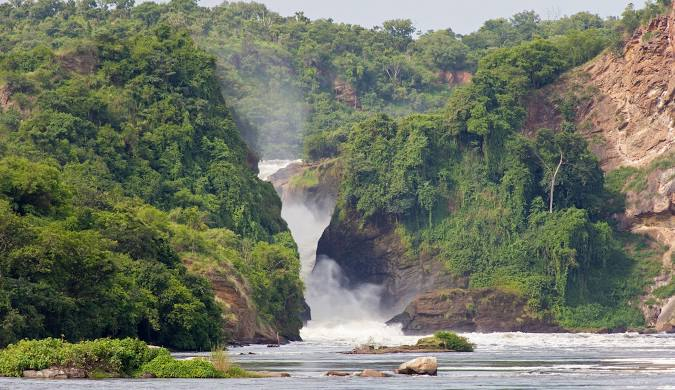
The strong Falls at Murchison Falls National Park in Uganda - Valverde Safaris Uganda

Murchison Falls National Park Uganda

Blogs,  National Parks

National Parks Explore Murchison Falls National Park: Where The Nile Meets The Wild In northern Uganda, the Nile River surges through a narrow cleft of rock, creating a magnificent spectacle known as Murchison Falls. The force of the water’s plunge creates a mesmerizing display of power and beauty, leaving visitors spellbound. But Murchison Falls National Park is not just about the falls; it’s a mosaic of ecosystems that harbor a staggering variety of wildlife.  Embark on game drives across the savannas to spot elephants, giraffes, lions, and more. Take a boat safari along the Nile to witness hippos, crocodiles, and an array of water birds. Murchison Falls National Park promises a holistic experience that blends nature’s drama with the serenity of the wilderness. About Murchison Falls National Park Murchison Falls National Park, locally known as Kabalega National Park is situated at the end of the Albertine Rift Valley and it is Uganda’s oldest and largest safari park. Murchison is located 305 kilometers north of Kampala in Masindi District and can be accessed by road or flights. Murchison Falls National park was first gazetted as a wildlife reserve in 1926 and is home to 76 different mammal species and 451 birds. Murchison Falls Conservation Area is made up of Bugungu, Karuma wildlife reserves and Murchison Falls National Park. Murchison Falls National park is bisected by the Victoria Nile, which plunges 45m over the remnant valley wall, creating the dramatic falls, the park’s unique attraction and the final event in an 80km stretch of rapids. The mighty cascade drains the last of the river’s energy, transforming it into a broad, placid stream that flows quietly across the rift valley floor into Lake Albert. This stretch of river provides one of Uganda’s most remarkable wildlife spectacles that can only be expereinced through Uganda safaris / Uganda tours/ Uganda trips . This is something you will clearly see when you visit Murchison Falls National Park on a murchison falls safari. Regular visitors to the riverbanks include elephants, giraffes and buffaloes; while hippos, Nile crocodiles and aquatic birds are permanent residents. Notable visitors to Murchison Falls National Park include Winston Churchill, Theodore Roosevelt, Ernest Hemingway and several British royals. Common activities include: wildlife viewing safaris at murchison falls / game viewing, launch trips to the bottom of the falls and hikes to the top (Devil’s Cauldron), birding and nature walks. Launch trips stand out as the most common exciting activities because it gets you close to the centerpiece of the park. For those that want an aerial wildlife viewing experience, hot air ballooning activities are available within the park. The vegetation of Murchison Falls National Park is made up of Savannah, Riverine forest and woodland. Some of the wildlife includes kobs, elephants, Rothschild giraffes, hartebeests, oribis, leopards, lions Uganda kobs, chimpanzees, and many bird species. This safari park is an all year wildlife destination but can best be visited on a uganda safari during the months of June to late September or January to mid-March. Getting There There are many ways to get the Murchison Falls National Park.  By Air: You can catch a flight to Pakuba Airstrip with Aero Link or Bar Aviation. The Park can be reached by air charter services. There are airstrips at Paraa and Rabongo which can accommodate light aircraft of up to six seats capacity.  By Road: You can also reach the park by road. By road, it is a 3 hour drive from Kampala to Masindi, 217 km on tarmac and 40 km on high grade murram, then an additional 2 hours (97 km) from Masindi to the Falls on murram. A 4 wheel drive vehicle is advisable as the Masindi-Paraa road is rough. Gates to Murchison Falls National Park There are also multiple entrances to access the park Plan Ahead Popular gates are Kichumbanyobo Gateand Mubako Gate in the south of MFNP, Wankwar Gate, Tangi Gate in the North, and Chobe Gate. When is the Best Time to Visit Murchison Falls Park? The park can be visited all year round. However the trend for African safari goers affects the park. You will find more travelers visiting the park during the months of June to October as well as December to March. Murchison Falls National Park is often included in safari circuits that include visits to leading Uganda parks. It is often combined with other popular adventure activities that include gorilla safaris in Bwindi and Mgahinga, chimpanzee tracking in Kibale Forest, wildlife safaris in Kidepo and Queen Elizabeth National Park.  Given that most visitors to Uganda go gorilla trekking in Bwindi Impenetrable Forest and Mgahinga Park, Murchison Falls Park receives the highest number of visitors in June to September and December to March. Going on Safari in Murchison Falls National Park during the dry season makes animal viewing easier if compared with the rainy months. It is wise to plan your safari well so that you can see all the animals on your wishlist. Start planning your next Uganda safari today with our free trip planning information and get up to date travel information, news & safari deals from our preferred travel partners. A view of falls at Murchison Falls National Park in Uganda A view of Hippos on River Nile at Murchison Falls National Park in Uganda – Valverde Safaris Uganda A shoebil bird at Mabamba swamp – Valverde Safaris Uganda Attractions at Murchison Falls National Park The Attractions at Murchison Falls National Park are quite many and fact is are all beautiful. The list below highlights some of them. Murchison Falls Murchison Falls is characterized by eternal war between rock and water. The waters violently compress through a narrow gorge, spraying misty droplets along their wake over a 50m radius. This creates a permanent rainbow over the battlefield and causes a continuous roar. From Baker Point on the southern side, you can also view the Nile splitting into the smaller Uhuru Falls, created in 1962 when the river burst its banks. River Nile A boat ride along the Nile to the foot of Murchison Falls is a rewarding experience for nature lovers, as the northern bank

26/10/2024 / Comments Off on Murchison Falls National Park Uganda
read more
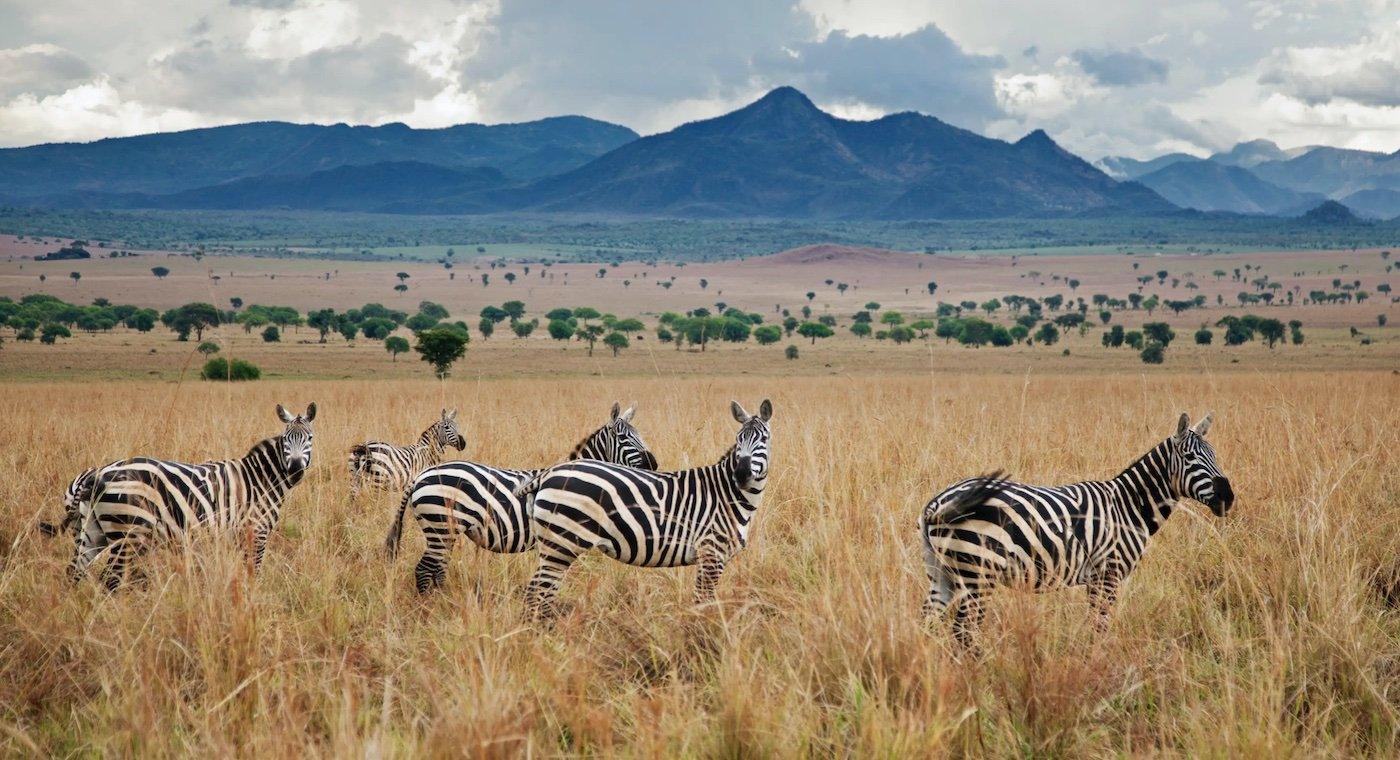
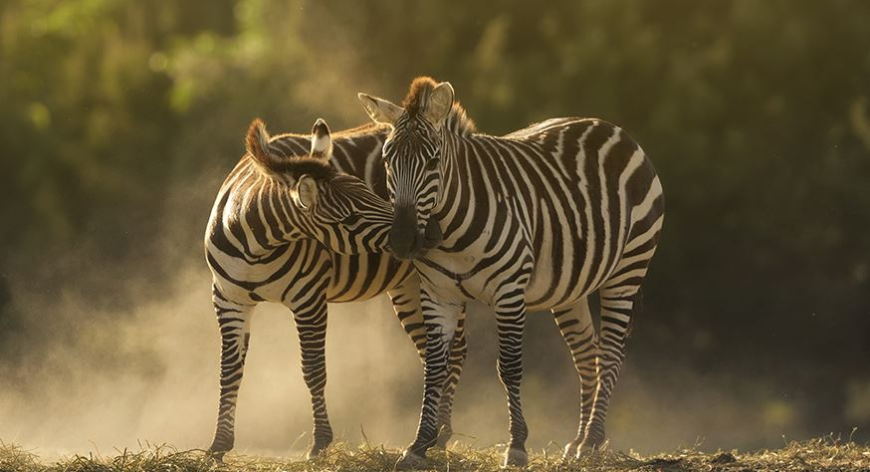
Zebras at Kidepo Valley National Park - Valverde Safaris Uganda

Explore Uganda’s Kidepo Valley National Park

Blogs,  National Parks

Discover the wild beauty of Kidepo Valley National Park Uganda, one of East Africa’s most remote and spectacular safari destinations.

Nestled in the far northeast of Uganda, Kidepo offers an authentic wildlife experience with abundant Big 5 sightings, including lions, elephants, buffaloes, leopards, and rhinos.

The park’s dramatic landscapes, from golden savannahs to rugged hills, provide breathtaking scenery and countless photo opportunities.

Beyond the wildlife, visitors can engage with the unique cultures of local tribes such as the Karamojong, making each safari a rich blend of nature and culture. Ideal for adventurous travelers, Kidepo Valley is perfect for game drives, guided walking safaris, and birdwatching, with over 460 bird species recorded.

Whether you are seeking thrilling wildlife encounters or serene landscapes far from the crowds, Kidepo Valley National Park Uganda promises an unforgettable safari adventure.

26/10/2024 / Comments Off on Explore Uganda’s Kidepo Valley National Park
read more
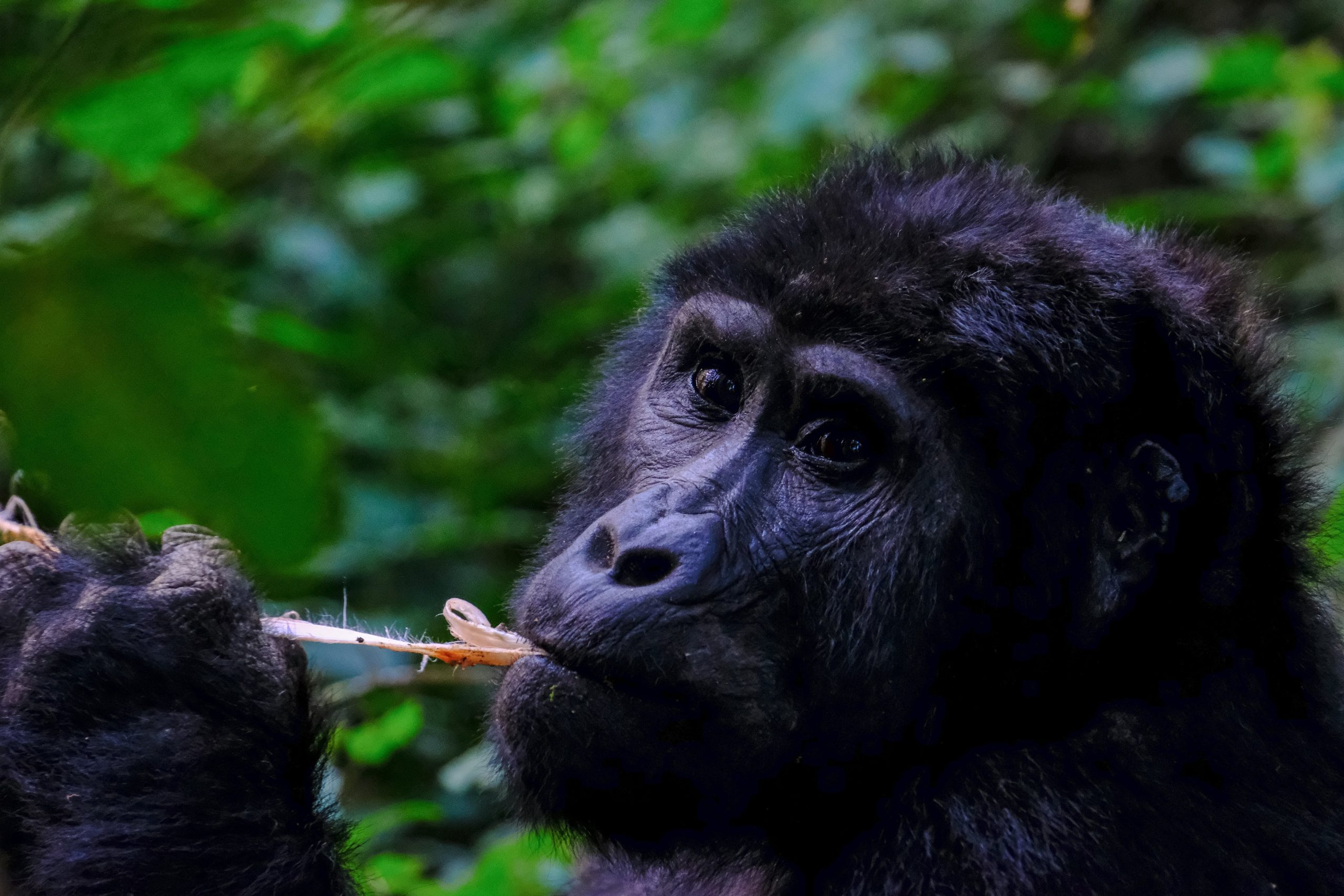
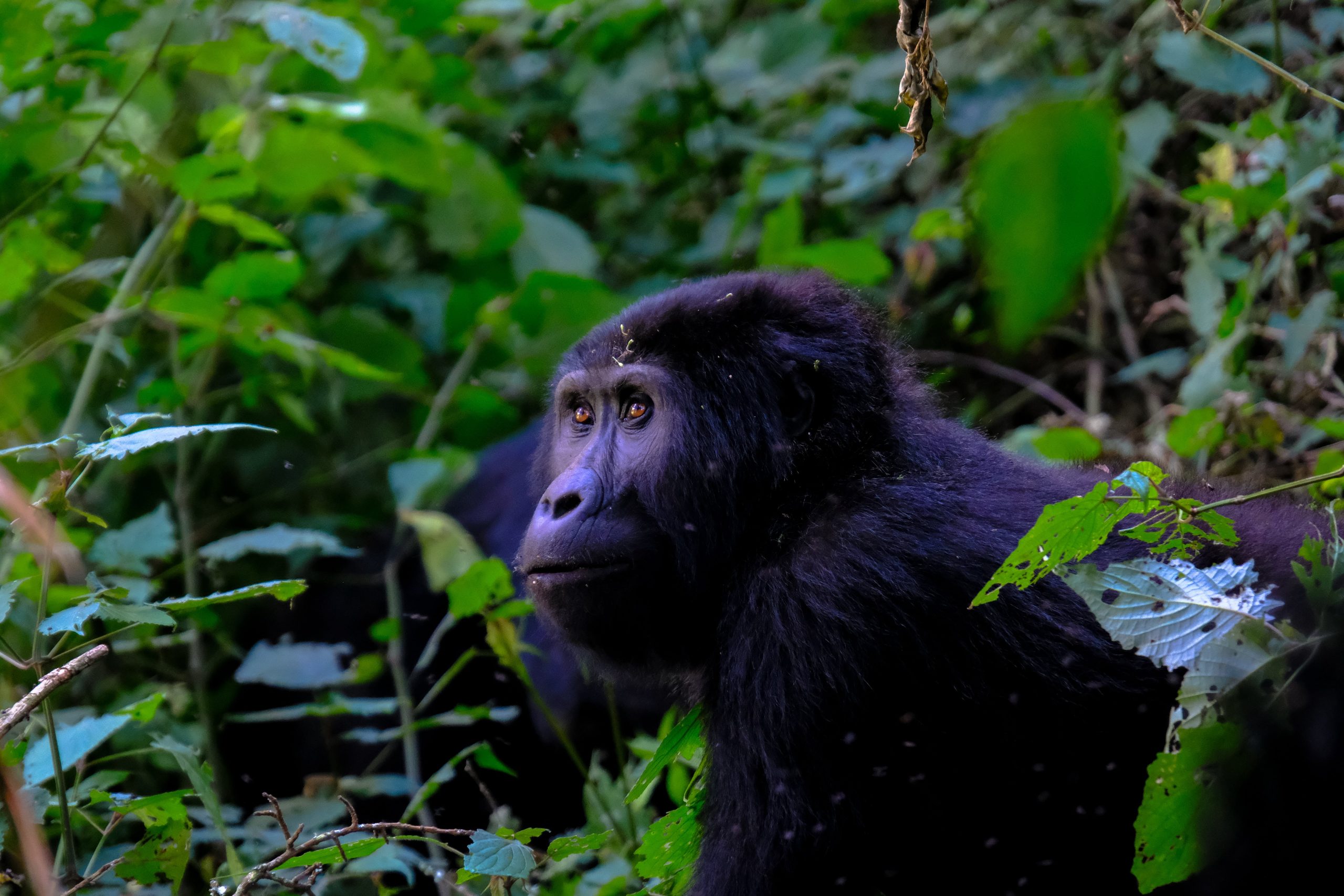
A mountain gorilla peacefully munching on a leaf in its natural habitat at Bwindi Impenetrable National Park - Valverde Safaris Uganda

Gorilla Trekking In Uganda

Blogs,  Primates In Uganda

Gorilla Trekking in Uganda – A Guide to see Mountain Gorillas in Uganda Are you planning and interested in visiting Uganda for Gorilla Trekking?  This Valverde Safaris guide on Gorilla trekking in Uganda will help you plan well your trip for a great experience during your gorilla trek tour to Uganda. Gorilla trekking in Uganda is only done in two national parks Bwindi Forest National Park and Mgahinga Gorilla National Park both found in southwestern Uganda, Gorilla trekking is one of the major activities that attract many tourists to Uganda and many include this activity in their itineraries when visiting Uganda. What is Gorilla Trekking? Defined Gorilla Trekking in Uganda involves walking and hiking through the forest to search for gorillas in their natural habitat once you find the gorillas you spend one hour encountering them, learning more about their daily lifestyle, taking pictures and videos. About Bwindi Impenetrable Forest National Park Bwindi Impenetrable Forest is one of the only 4 national parks home to endangered mountain gorillas in the world, other national parks include Mgahinga Gorilla National Park in Uganda, Volcanoes national park in Rwanda, and Virunga National Park in DR Congo. Bwindi Forest National Park is one of Africa’s oldest forests with diverse biodiversity with various species which include 350 birds, 310 butterflies, 200 trees, 51 reptiles, 88 months, and 120 mammals, the park is also home to several primates including chimpanzees, L’Hoest’s monkey and the major one the Mountain Gorillas. The global population of mountain gorillas is 1064 individuals and half of these can be found in Bwindi impenetrable forest, the park has over 15 habituated gorilla family groups open for gorilla tracking with 8 gorilla permits allocated to each group per day. About Mgahinga Gorilla National Park Mgahinga Gorilla National Park is the other only national park in Uganda where gorilla trekking is done the other is Bwindi Impenetrable Forest national Park. Mgahinga National Park is home to one gorilla family called Nyakagezi open for gorilla trekking. The park is also home to 3 volcanoes Sabinyo, Gahinga and Muhavura volcanoes of the 6 extinct volcanoes found in the Virunga ranges sharing borders with Volcanoes National Park in Rwanda and Virunga National Park in DR Congo also home to mountain gorillas. Mgahinga National Park is the smallest National Park in Uganda covering just 38 kmsq it is also best known for golden monkey trekking making it the only national park in Uganda where to see gorillas and golden monkeys. Mgahinga gorilla National park is also home to 76 mammal species including the endangered mountain gorillas and golden monkeys. Other large mammals include elephants, buffaloes, leopard, giant forest hogs however these are very rare to see. It is also great for bird watching with over 115 bird species present in the park including various Albertine Rift endemics. Gorillas Where is Gorilla Trekking done in Bwindi Forest? Where is Gorilla Trekking done in Bwindi Forest? Gorilla trekking in Bwindi forest is done in 4 sectors which include Buhoma, Ruhija, Nkuringo and Rushaga. Buhoma sector is located in the northern part of Bwindi and Ruhija sector in the North Eastern part of Bwindi both sectors are located close to Queen Elizabeth National Park making it easy to combine gorilla trekking with game viewing if you are trekking at these sectors. In the southern Part of Bwindi it is where Rushaga and Nkuringo sectors are located close to Mgahinga Gorilla National Park for gorilla trekking and Golden monkey tracking. Each sector has different habituated mountain gorilla families open for gorilla trekking with Rushaga sector having many families compared to other sectors. How much is Gorilla Trekking in Uganda A Gorilla Permit in Uganda costs USD700 per person per trek for Foreign Non-Residents, USD600 for East African Residents, and USD70 for East African Citizens. This Gorilla permit gives you an opportunity to spend one-hour encountering mountain gorillas in the Bwindi forest or Mgahinga Gorilla National Park once you find them on your trek. How to purchase a Gorilla trekking permit in Uganda Gorilla trekking permits in Uganda are purchased from Uganda Wildlife Authority, this can be done at their headquarters in Kampala or Kisoro for tourists arriving in Uganda through Entebbe it is recommended to purchase their gorilla permits from Kampala and for tourists arriving in Uganda through Kigali, they can purchase their permits at the branch headquarter of Uganda Wildlife Authority in Kisoro town which is 1-2 hours drive to Bwindi. About Bwindi Impenetrable Forest National Park Bwindi Impenetrable Forest is one of the only 4 national parks home to endangered mountain gorillas in the world, other national parks include Mgahinga Gorilla National Park in Uganda, Volcanoes national park in Rwanda, and Virunga National Park in DR Congo. Bwindi Forest National Park is one of Africa’s oldest forests with diverse biodiversity with various species which include 350 birds, 310 butterflies, 200 trees, 51 reptiles, 88 months, and 120 mammals, the park is also home to several primates including chimpanzees, L’Hoest’s monkey and the major one the Mountain Gorillas. The global population of mountain gorillas is 1064 individuals and half of these can be found in Bwindi forest, the park has over 15 habituated gorilla family groups open for gorilla tracking with 8 gorillas permits allocated to each group per day. About Mgahinga Gorilla National Park Mgahinga Gorilla National Park is the other only national park in Uganda where gorilla trekking is done the other is Bwindi Impenetrable Forest national Park. Mgahinga National Park is home to one gorilla family called Nyakagezi open for gorilla trekking. The park is also home to 3 volcanoes Sabinyo, Gahinga and Muhavura volcanoes of the 6 extinct volcanoes found in the Virunga ranges sharing borders with Volcanoes National Park in Rwanda and Virunga National Park in DR Congo also home to mountain gorillas. Mgahinga National Park is the smallest National Park in Uganda covering just 38 kmsq it is also best known for golden monkey trekking making it the only national park in Uganda where to see gorillas and golden monkeys. Mgahinga gorilla

25/10/2024 / Comments Off on Gorilla Trekking In Uganda
read more
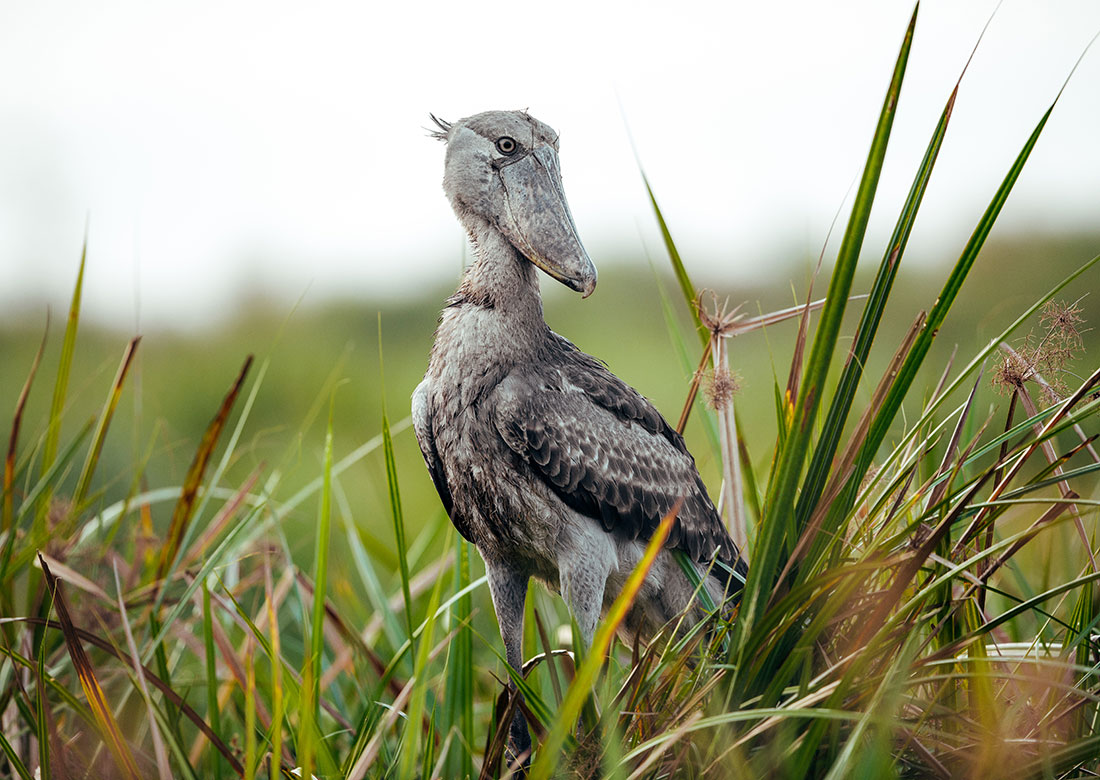
A shoebil bird standing in tall grass, blending with its surroundings, showcasing nature's beauty and the bird's graceful presence at Mabamba Swamp - Valverde Safaris Uganda

Shoebill Stork Birdwatching in Uganda

Birding In Uganda,  Blogs

Shoebil Stork In Uganda Shoebill stork is a magnificent, unique, prehistoric, ancient-looking bird that is sought after by visitors in Africa specifically Uganda. Shoebill stork is also referred to as the king whale-head because of its head size and the Arabs used to call it (Abu Maruk) which means the father of the shoe and another one could call it a flying shoe because of its unique bill. Uganda is home to a variety of bird species and wildlife and is the best destination in East Africa where you can see the shoebill stork while on a safari. What makes the Shoebill Stork Bird Unique Shoebil stork is a large outstanding bird with a shoe-shaped bill that is mostly found in the Eastern parts of Africa and is always sought after by bird lovers on a safari in Africa especially in Uganda. It was named the shoebill stork because of its shoe-like bill. An adult shoebill stork has feathers that are mainly grey color while the juveniles are browner in color; the shoe bill stork grows up to 150cm tall in height, 14 pounds in weight, 24cm in length, 20cm in width and 230cm to 260cm wingspan. The male shoebill storks are a little larger and have bigger bil than the females and the bill of a mature adult is about 9 inches long, 4 inches wide with a hook at its tip.   Breeding of Shoebill Storks  The prehistoric-looking shoebill stork bird is a solitary creature with territories and can be so protective of its territories and forms monogamous relationships during the mating season which takes place between April and June. The shoebill stork can live between 45 to 50 years or more and make their nests on the ground where the eggs hatch from. The female shoebill stork lay two eggs and during the incubation process, both the male and female parents share the incubation duties for one month before the chicks hatch. After hatching the female or mother feed the chicks for one to two months before they adapt to feeding themselves. What the Shoebill Storks Feed On The shoe bill storks in Uganda are found along the lakes and in the swamp areas hence referred to as swamp specialists. The shoe bill storks can stand easily on floating vegetation while hunting and they survive on food in water including lungfish which is their main diet, frogs, lizards, Baby crocodiles, water snakes, puddle fish, Catfish among others. Because of the sharp edges on their wide bill it helps them to feed on water animals. Although the shoebill storks are water birds, they tend to be nocturnal. The shoebill stork bird doesn’t have webbed feet but they can still have the ability to stalk the prey in water because they stand still for long periods awaiting the movements of the prey and then strike at a high speed. When the shoebill stork is flying, they look beautiful while in the air because they have a wide wingspan with heads and necks drawn back. The shoebill stork seems inactive or slow while moving on the ground, and tend to act like statues because they stand still for a long time but are graceful in the air and when attacking their prey they pull back their wings and then approach their prey in a way demonstrating their strength.  Shoebil Stork Facts about the Shoebil Stork This is an impressive and somewhat ugly dinosaur-like bird that is found in Uganda. The adult is mainly grey while the juveniles are browner. Their beak is the reason they are called “shoebill storks”. Their long, shoe-shaped beak is used to eat small animals and fish in a single gulp. The end of the beak curves down and forms a hook. This sharp curve is used to pierce through the bodies of their prey to assist in digestion. The young will attack each other. Young shoebills will fight with one another. It is known that shoebill storks are shy animals that prefer to be alone they also have territorial behaviors. When more than one shoebill is born in the same nest, they will compete for attention from the mother. More often than not, the larger bird forces the smaller birds to flee from the nest and live on their own. They are brave. The shoebill stork does not take no for an answer! The species is aggressive. They fight off small and large animals alike. If a weak animal comes across their path, the stork will leap from their hiding place to turn it into a meal. Storks have been known to fight Nile crocodiles, other species of storks, and even each other. However, even though they pick fights, they do not win all of the time!  They are extremely patient. Shoebill storks are masters of patience. They will stand in water, large patches of grass, and other hiding places for hours. They know that if they wait long enough for the right moment, they will find their next meal. They don’t make much noise, but they are loud when they do! The shoebill will never make noise when hunting for prey. However, during mating time, the shoebill will release a loud cry to attract a partner. It is a series of loud, terrifying popping noises. They live for up to 35 years. The shoebill stork can live for up to 35 years! Shoebill storks can live long enough to see seven generations. They use their wings to fly and keep balance. They use their wings to fly, intimidate predators, and keep their balance. Like other birds, the shoebill stork can easily lose balance because they stand on two legs. Live in Marshes. A marsh is a wetland that is covered in water for extended periods of time. Marshes rarely have trees but the grass is tall and forms hiding places for species such as the shoebill. Marshes are found on the edges of lakes and rivers where the waterbed is higher. They are solitary

22/10/2024 / Comments Off on Shoebill Stork Birdwatching in Uganda
read more

Posts pagination

Previous 1 2 3 … 5 Next
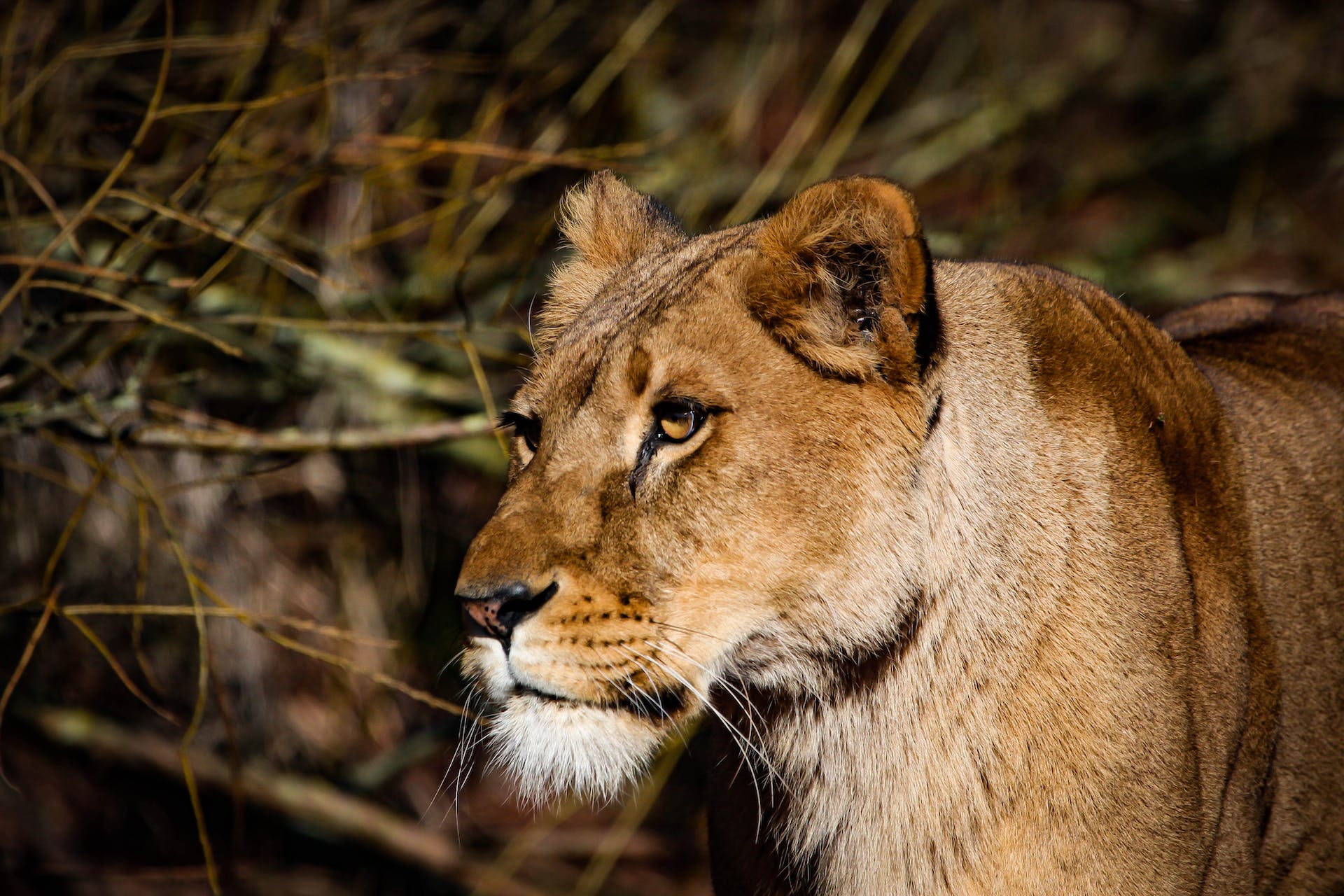
A lion having a glimpse of the wild nature at Murchison Falls National Park

10-Day Uganda Gorilla, Chimpanzee Trekking & Big 5 Safari

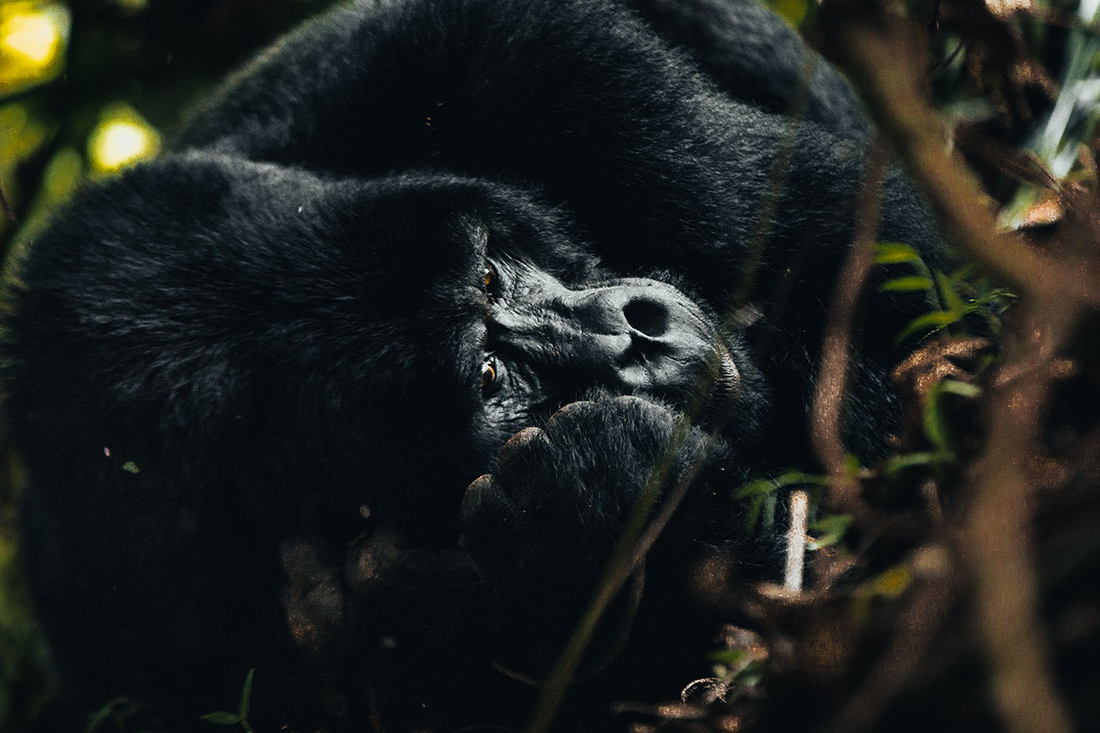
A Gorilla resting in Bwindi Impenetrable Forest

5-Day Best Gorilla, Primates, and Wildlife Adventure Safari

A majestic mountain gorilla in its natural habitat, surrounded by lush greenery in the forest at Bwindi Impenetrable National PARK - Valverde Safaris Uganda

3-Day Uganda Gorilla Fly-in Safari

A group of Zebras grazing in the Kidepo Valley National Park Savannah - Valverde Safaris Uganda

Kidepo Valley National Park Uganda

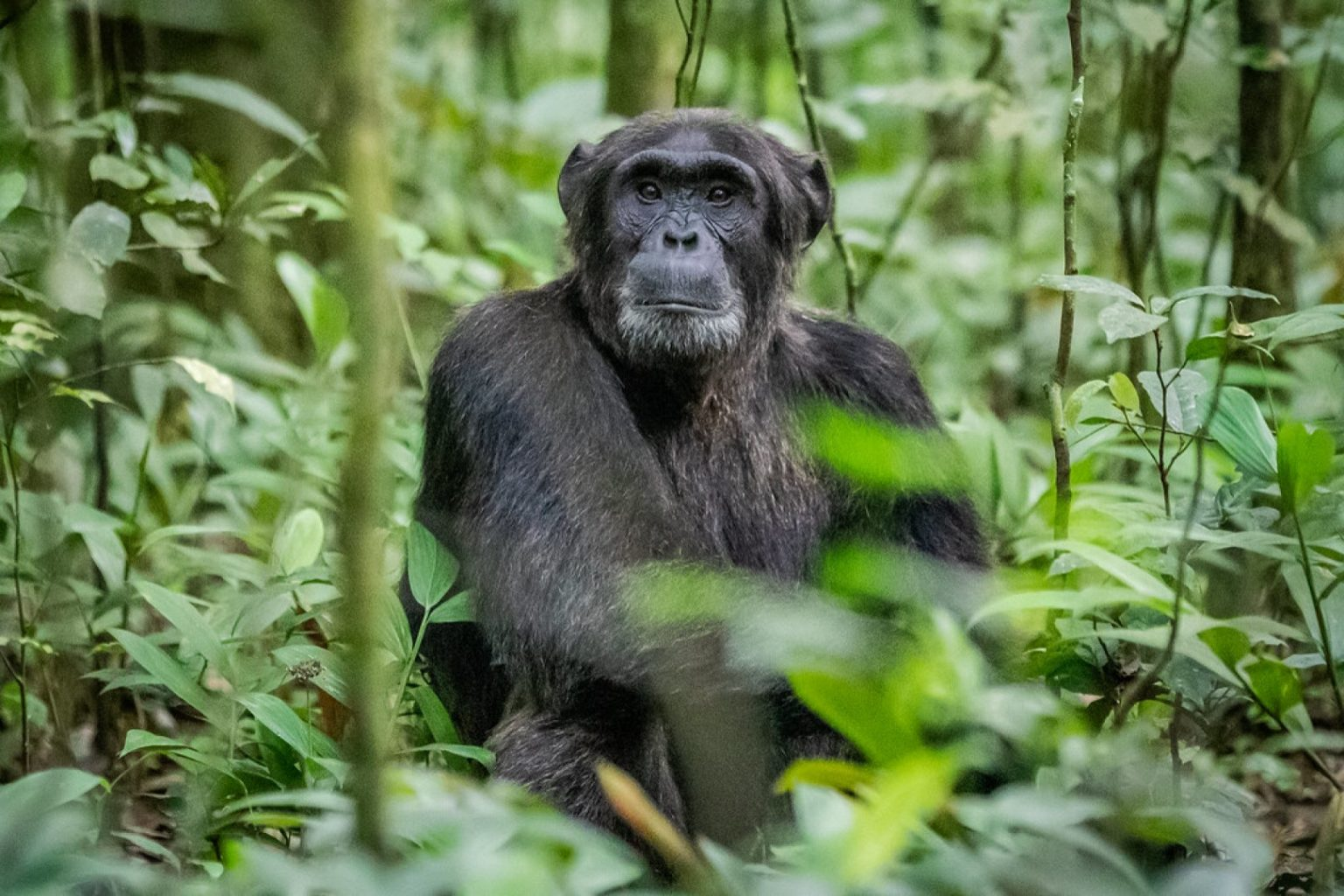
A Chimpanzee (Primates) at Kibale National Park - Valverde Safaris Uganda

14-Day Uganda Safari – Gorilla Trekking, Wildlife & Adventure Tour

A majestic mountain gorilla in its natural habitat, surrounded by lush greenery in the forest at Bwindi Impenetrable National PARK - Valverde Safaris Uganda

3-Day Uganda Gorilla Trekking & Lake Bunyonyi Safari

A Chimpanzee (Primates) at Kibale National Park - Valverde Safaris Uganda

Kibale Forest National Park

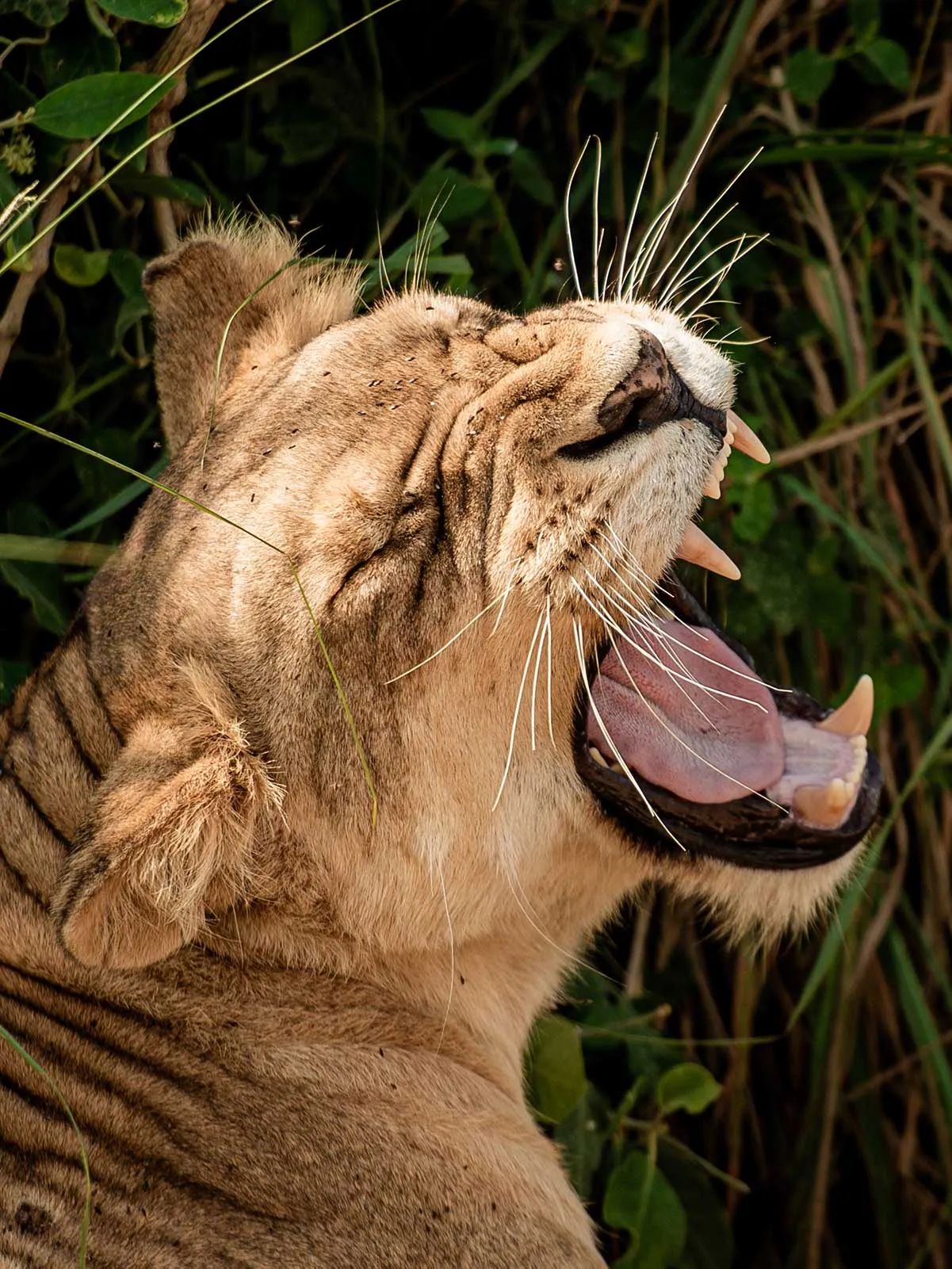
A lion yawning in the wild

Queen Elizabeth National Park Uganda

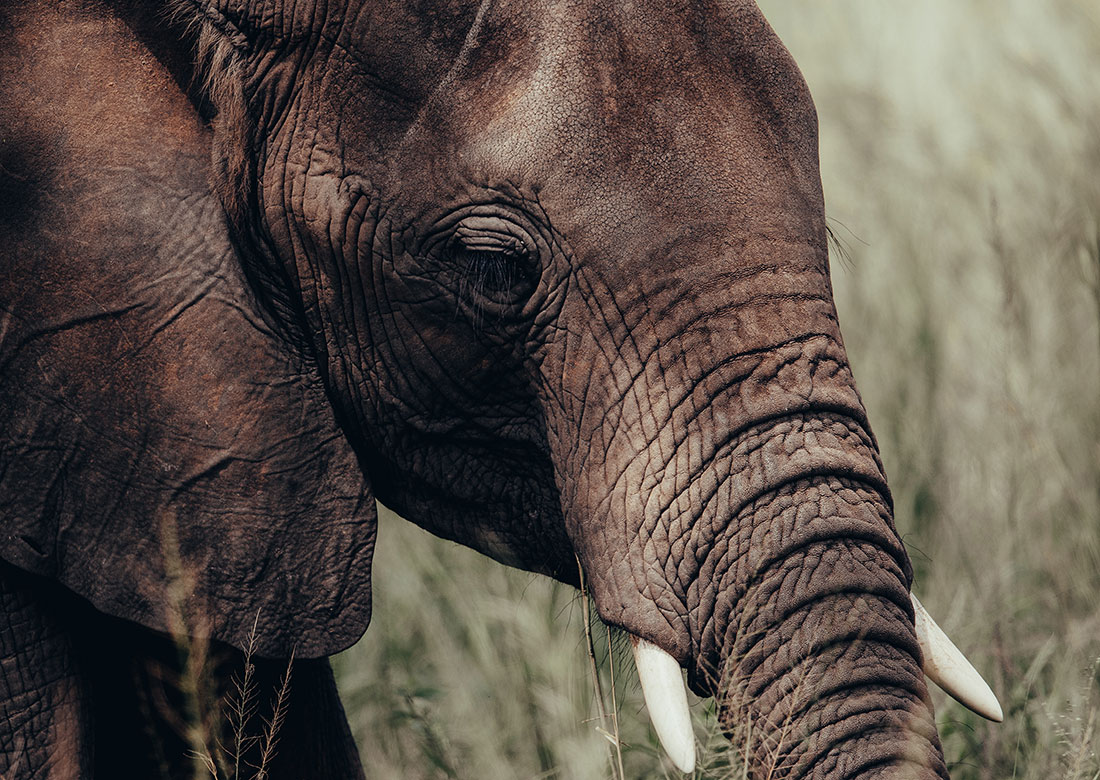
An elephant with tusks standing in tall grass, showcasing the majestic beauty of wildlife in its natural habitat - Valverde Safaris Uganda

Murchison Falls National Park

A mountain gorilla peacefully munching on a leaf in its natural habitat at Bwindi Impenetrable National Park - Valverde Safaris Uganda

Bwindi Impenetrable National Park Uganda

About Valverde Safaris Uganda

Home

About Us

Safaris

Our Destinations

Travel Blog

  • Mobile: +256 771 808 727
  • Email: info@valverdesafaris.com
  • Address: Dr Asea Road, Ntinda Kigoowa, 9J79+638 Kampala

Proudly member of

Safari Bookings 1

© 2025 – Valverde Safaris Limited – All Rights Reserved

Facebook-f Instagram Youtube-square