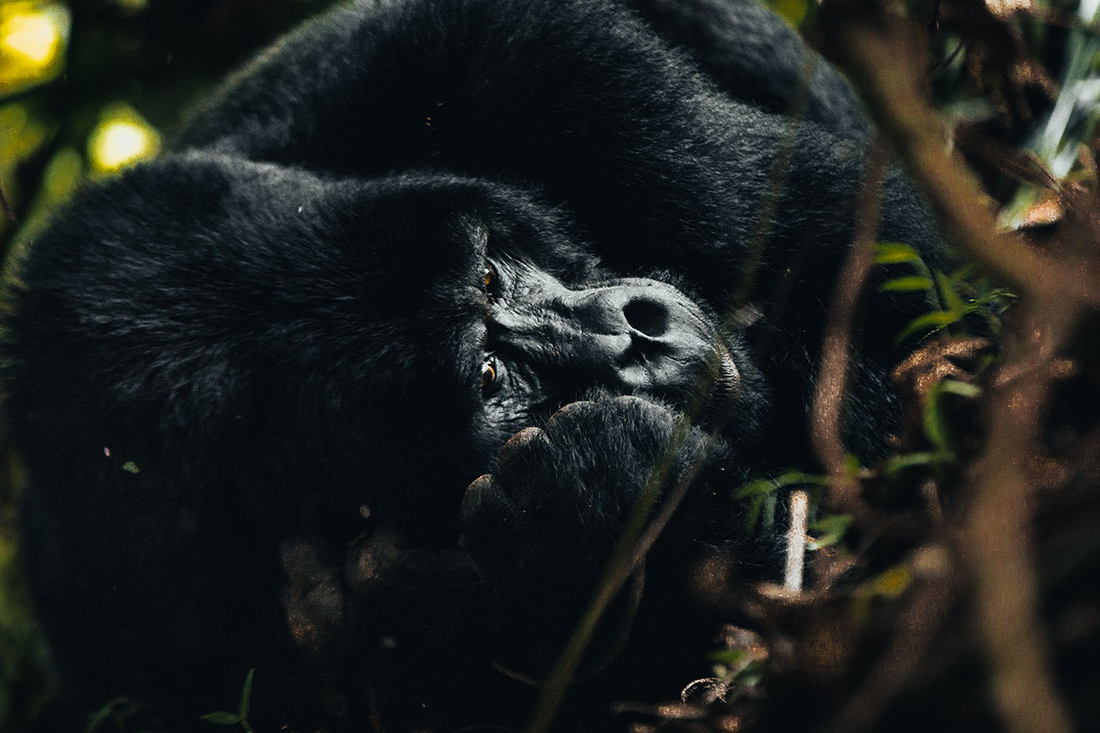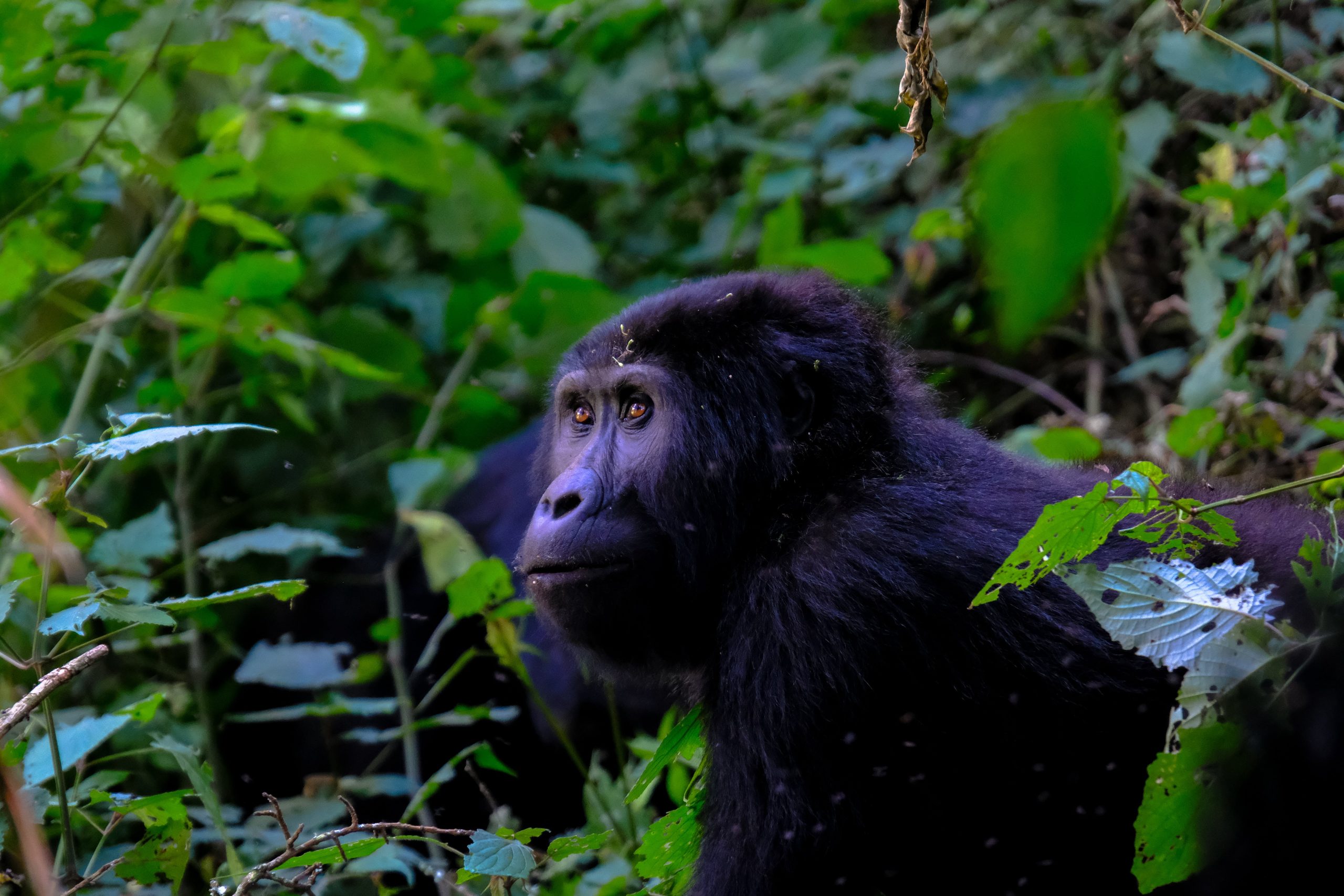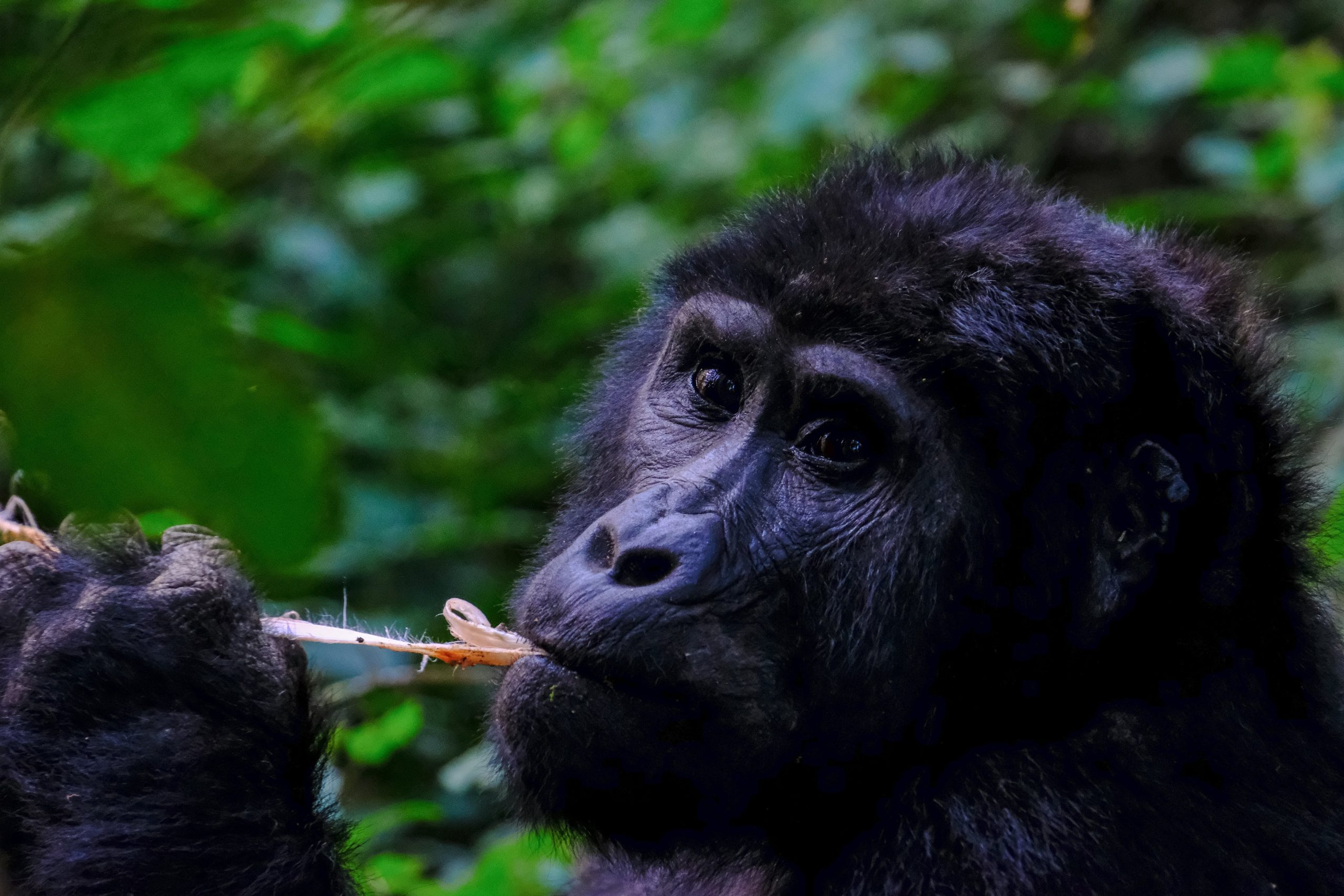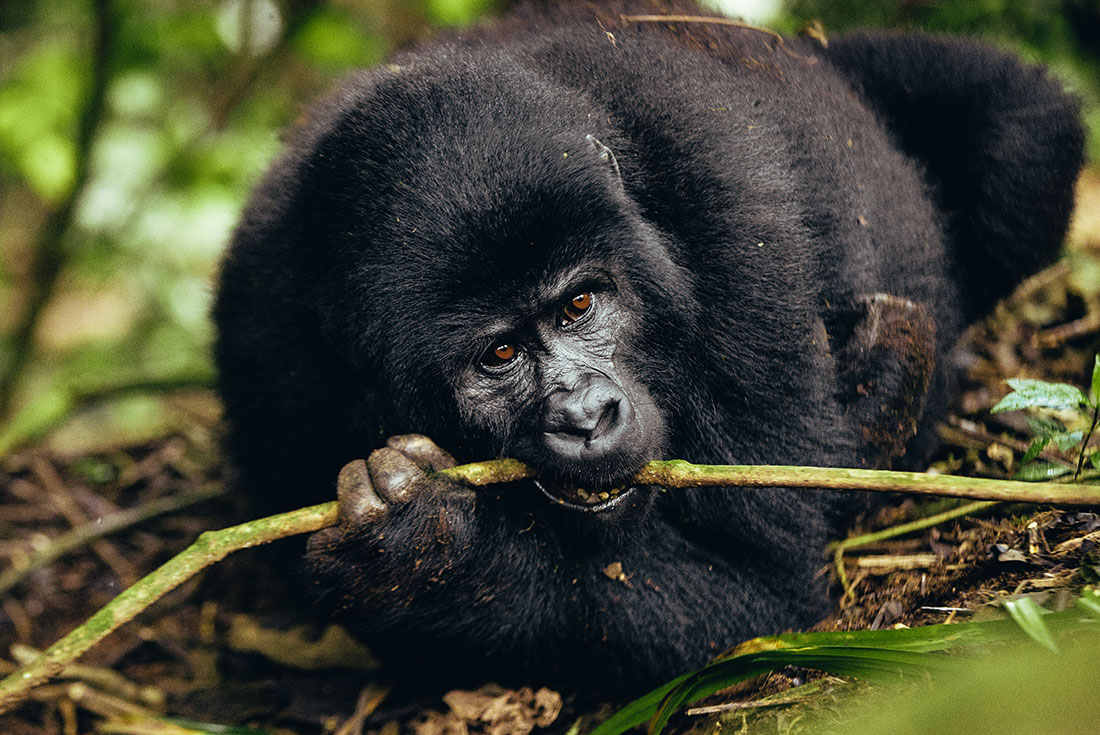
Places to visit Why Gorilla Trekking Is the Most Popular Tourist Activity in Uganda When travelers dream of Africa, visions of endless savannahs, roaming lions, and spectacular sunsets often come to mind. But ask anyone who has visited Uganda, and you’ll hear a different highlight — gorilla trekking Uganda. This one-of-a-kind activity allows adventurers to step into the misty jungles of Bwindi Impenetrable National Park and Mgahinga Gorilla National Park to encounter the world’s last remaining mountain gorillas. Uganda is home to nearly half of the global population of these gentle giants. For many visitors, the chance to observe gorilla families in their natural habitat is more than a safari activity — it’s a life-changing journey, one that blends conservation, adventure, and culture. It’s no surprise that gorilla trekking is the most popular tourist activity in Uganda, drawing thousands of visitors each year. A mountain gorilla peacefully munching on a leaf in its natural habitat at Bwindi Impenetrable National Park – Valverde Safaris Uganda What Makes Gorilla Trekking in Uganda So Special? Unlike a game drive where animals may appear from a distance, gorilla trekking offers intimate and up-close encounters. Trekkers spend hours hiking through lush forests, guided by expert rangers who track gorilla movements. When you finally come face-to-face with a family of gorillas, the experience is breathtaking. Watch a silverback — the dominant male — protectively guard his troop. Observe mothers nursing babies while youngsters tumble and play. Listen to the deep rumble of gorilla communication echoing through the forest. This raw, unscripted encounter with our closest relatives in the animal kingdom is unlike any other safari experience. It’s an emotional moment that often leaves visitors in awe — and sometimes even in tears. Where to Go: Bwindi & Mgahinga Gorilla National Parks Uganda offers two primary destinations for gorilla trekking, each with its unique appeal. Bwindi Impenetrable National Park A UNESCO World Heritage Site, Bwindi is the most popular gorilla trekking destination in Uganda. With over 20 habituated gorilla families, the park offers a wide range of trekking routes. Its dense rainforest, dramatic ridges, and misty valleys provide the perfect backdrop for an unforgettable adventure. Highlights: Largest gorilla population, multiple sectors (Buhoma, Ruhija, Rushaga, Nkuringo), and diverse wildlife including forest elephants and colorful birds. Mgahinga Gorilla National Park Nestled in the Virunga Mountains, Mgahinga is smaller but equally enchanting. Trekkers here enjoy volcanic landscapes, golden monkey tracking, and fewer crowds compared to Bwindi. Highlights: Stunning volcano scenery, cultural encounters with the Batwa pygmies, and the chance to combine gorilla trekking with other primate adventures. A mountain gorilla amidst the lush forest of Mgahinga Gorilla National Park – Valverde Safaris Uganda A Gorilla resting in Bwindi Impenetrable Forest A mountain gorilla peacefully munching on a leaf in its natural habitat at Bwindi Impenetrable National Park – Valverde Safaris Uganda Gorilla Trekking Permits and Costs in Uganda To regulate tourism and protect gorillas, a permit is required for each trek. Cost: USD 800 per person (2025) What it includes: Park entry, guides, trackers, and one magical hour with gorillas Where to buy: Uganda Wildlife Authority (UWA) or authorized tour operators Permits are limited and sell out months in advance, especially in high season. Booking early is essential to secure your spot. Pro Tip: Some travelers combine gorilla trekking Uganda with safari extensions such as Queen Elizabeth National Park, Murchison Falls, or chimpanzee trekking in Kibale Forest. Best Time of Year for Gorilla Trekking in Uganda Uganda’s equatorial climate makes gorilla trekking possible year-round. However, the dry seasons are considered the best times: June to September – Peak season with pleasant trekking conditions December to February – Shorter dry season with fewer crowds Rainy seasons (March–May, October–November) can make trails muddy and slippery, but the forest is incredibly lush, and fewer tourists mean a more private experience. Preparing for Gorilla Trekking: What to Expect A gorilla trek is an adventure — sometimes lasting 2–6 hours, depending on the gorilla family’s location. Here’s what to keep in mind: Fitness: Moderate physical fitness is recommended, as treks involve hiking uphill through dense vegetation. Gear: Good hiking boots, rain jacket, gloves, long trousers, and a walking stick are essential. Rules: Visitors must maintain a 7-meter distance, avoid flash photography, and follow ranger instructions to ensure both safety and conservation. For many, the anticipation of the trek is part of the excitement. Every step through Uganda’s lush forests brings you closer to an extraordinary encounter. Conservation and Community Benefits Gorilla trekking is more than tourism — it’s a vital tool for conservation and community development. Conservation impact: Revenue from permits funds ranger patrols, habitat protection, and anti-poaching efforts. Community support: A portion of permit fees is invested in local villages, supporting schools, health centers, and infrastructure. Sustainable tourism: By choosing gorilla trekking Uganda, travelers contribute directly to the survival of endangered mountain gorillas. This symbiotic relationship ensures that gorillas thrive, communities benefit, and visitors enjoy an authentic experience. A mountain gorilla munching on a stick at Bwindi Impenetrable National Park A gorilla sits in a forest at Bwindi Impenetrable Forest National Park – Valverde Safaris Uganda Uganda vs Rwanda Gorilla Trekking — Which to Choose? Both Uganda and Rwanda offer incredible gorilla trekking, but Uganda stands out for several reasons: More gorilla families available for trekking Lower permit cost compared to Rwanda ($800 vs Rwanda’s $1,500) Diverse safari options beyond gorillas — Big Five safaris, chimpanzee tracking, boat cruises, and cultural tours Scenic variety — from misty mountains to rolling savannahs For travelers seeking value, diversity, and adventure, Uganda is often the preferred choice. Other Activities to Combine with Gorilla Trekking Gorilla trekking is the highlight, but Uganda offers so much more: Game drives in Queen Elizabeth or Murchison Falls National Parks Chimpanzee trekking in Kibale Forest or Budongo Nile boat safaris with hippos, crocodiles, and birdlife Cultural tours — meet the Batwa community or experience Ugandan traditions Adventure activities — white-water rafting on the Nile or hiking the Rwenzori Mountains By combining
Bwindi Impenetrable Forest National Park
National Parks Bwindi Impenetrable Forest National Park. Bwindi Impenetrable Forest National Park (Bwindi Forest National park) is a typical tropical rain forest with an annual mean temperature range of a minimum of 7–15°C to a maximum of 20–27°C. Its annual rainfall ranges from 1,400 to 1,900 millimeters. The heavy rains climax from March to April and from September to November. Bwindi Impenetrable forest became popular to the world because of Gorilla trekking! It is a habitat for more than half of the world’s remaining Mountain Gorilla population. These gentle primates are highly endangered species and the forest possesses more than 360 individuals of the plausible 800 plus mountain gorillas in the entire world. They are highly endangered because of poaching, habitat loss and diseases. This national park generates one of the highest revenues to Uganda Wildlife Authority amongst all the safari parks in Uganda. Gorillas at Bwindi Impenetrable Forest About Bwindi Impenetrable National Park Bwindi, located in the southwestern region, on the edge of the rift valley. Commonly referred to as the impenetrable forest, Bwindi Impenetrable National Park is bordered by the Democratic Republic of Congo (DRC) on the western side; Kabale town to the southeast is the nearest main town to the park, 29 kilometers away by road. It covers an area of 331 square kilometers and is located in the highest parts of Kigezi highlands with an altitude of 1,190 to 2,607 meters above sea level and 60% of this magical park has an elevation of over 2,000 meters above sea level. The highest elevation in the park is Rwamunyonyi hill at the eastern edge and the lowest part of the park is located at its most northern tip. Bwindi Forest National Park is approximately an 8 hour or 9 hour drive from Entebbe by road and just 1 hour away by chartered flights. Usually the first and last days of Uganda gorilla tours are reserved solely for traveling and a few other minor activities along the way. The journey is quite long especially when you are traveling by road but its worth it after when you experience a close encounter with the mountain gorillas in it’s forests. A majestic mountain gorilla in its natural habitat, surrounded by lush greenery in the forest at Bwindi Impenetrable National PARK – Valverde Safaris Uganda A mountain gorilla peacefully munching on a leaf in its natural habitat at Bwindi Impenetrable National Park – Valverde Safaris Uganda Activities at Bwindi Impenetrable National Park Bwindi Impenetrable National Park is ranked as one of the top tourist destinations in the world reason being the park consists of a wide range of activities. The activities at Bwindi Impenetrable National Park include: Gorilla Trekking: This is by far the most popular activity though it doesn’t have to be so considering how diverse the forest is. Bwindi is the best park to track mountain gorillas in East and Central Africa. About half of the remaining population of mountain gorillas is found in Bwindi Impenetrable forest. Bwindi also has the highest number of habituated gorilla families – 14 in total. It is only in Bwindi that tourists can go for the gorilla habituation experience. Gorilla tracking usually begins with briefing early in the morning. The briefing covers important topics such as how to act around the primates, what to expect and what to pack. The actual tracking can take between 30 minutes to 4 hours depending on the gorilla family and their location. An advance team of trackers is sent earlier to locate the primates. This advance team of trackers then locates the gorilla family before communicating by radio to the rangers leading the tourists with details about their location. It is because of this advance team of trackers that the chance of spotting mountain gorillas is very high. Tourists are allowed only one hour with the gorillas. This is because the animals are semi-wild and prolonged presence of humans may get to their nerves. In the extremely rare cases where a gorilla charges, it is never wise to run away. Simply lay low in a submissive posture and all should be fine. Eating near gorillas is prohibited. You cannot make loud noises or fun of the gorillas. Gorilla Habituation Experience: The gorilla habituation experience was introduced in Bwindi more recently. This experience is currently only possible in Bwindi forest – not in Rwanda and not in Congo. This activity allows primate lovers more time (four hours) observing the primates instead of the standard gorilla trekking (four hours). Tourists taking part in the 3 Days gorilla habituation experience get a chance to move with experienced trackers and some of the best primate researchers. The scientists share information about the gorilla habituation process and current issues related to gorilla conservation. This experience costs more than the standard one hour gorilla watching. Only four people can take part in the gorilla habituation experience. You can read more about gorilla habituation vs trekking in another article. Hiking and Nature Walks: Bwindi is a park with great biodiversity and the park authorities have ensured that visitors also experience the other good things that the park has to offer. To that end, several trails have been established to allow visitors marvel at the forest, its creatures like birds, butterflies and primates. One such trail starts from Buhoma to Nkoringo, from Nkoringo to Lake Mutanda and them from Nkoringo to Kisoro. These trails go through amazing scenery and provide opportunities to mingle with the locals. The Buhoma Village walk in particular takes tourists to local communities where they can learn about how members of an indigenous African tribe spend their day. The waterfall trail on the other hand exposes visitors to pristine forest with orchids, ferns, birds and butterflies. This particular trail ends with a sighting of beautiful waterfalls containing pure water. The short Munyaga River trail at the valley below Buhoma park office provides opportunities to see birds and primates like L’Hoest’s monkeys and Colobus Monkeys. Visitors need the help of a guide to find direction and a porter if they plan to move with heavy bags or equipment like cameras. If you plan to travel with your granny,
The Batwa Community Experience in Uganda
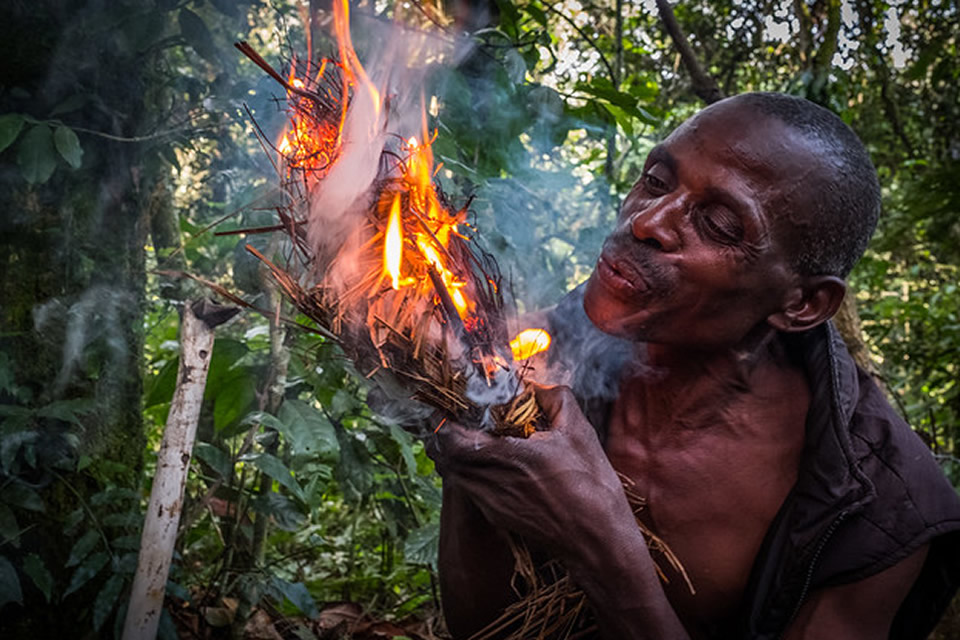
Places to visit The Batwa People / Community in Uganda Uganda is a country known for its diverse landscapes, rich wildlife, and vibrant culture. Among the many ethnic groups that call Uganda home, the Batwa people stand out as a unique and historically significant community. The Batwa, often referred to as “keepers of the forest,” are an indigenous people who lived in the forests of western Uganda until the early 1990s when these areas became national parks. They have a rich culture and history that is closely intertwined with the forests. Their existence is a true representation of the harmonious relationship between humankind and nature. The Batwa of Uganda treating a tourist to a cultural dance History of the Batwa Batwa tribe were the first people to inhibit the tropical rainforest and used to stay with mountain gorillas in harmony, it has been once their home for centuries. They used to eat the same food with mountain gorillas considering gorillas as part of their forest family. Visiting the Batwa tribe of Bwindi Impenetrable National Park can be an eye opener to you as a culture that will give a great view of the original people of South-western Uganda ‘’the Batwa’’. The Batwa tribe are historically hunters and gatherers who lived in the montane rainforest for the past 500,000 years. During those ancient years, there was no farming, no charcoal making and their shelter did not destroy the environment, and continued to live in peace with their beloved forests. Before there was a saying ‘’Amutwa’’ from Batwa which means loving the forest as much as they love their own body. Currently, the Batwa tribe are called Gorilla Killers and poachers reason being blamed for any poaching that takes place in Bwindi Impenetrable national park and Mgahinga Gorilla trekking. Honestly, the Batwa people were the first forest keepers til the Bantu people migrated into the area. The Bantu tribes then took charge, started to do deforestation since they were Cattle keepers and used to graze their herds of cattle on the boundary of the forest which was once their reserving rainforest. Later in 1992, the life OF Batwa became a misery when the montane rainforest was turned into a national park and a UNESCO site inorder to protect the endangered Mountain Gorillas. The Batwa became conservation refugees which made life unusual for them and it was their start of suffering. Unfortunately, the Batwa tribe no longer stay in the forest that made up the park. For that case, in 2011 Uganda Wildlife Authority had to pull out a hand of help through getting funds from the United States Agency for International Development and Netherlands Embassy in Kampala to help this famous Batwa tribe in Buhoma sector of Bwindi Impenetrable National Park. This Batwa tribe has survived for years due to the International Gorilla Conservation Programme which handsomely pulled out a hand of help to work with the Batwa tribe. The organisation started the Buniga Batwa forest walk and Village visit program to assist them in terms of earning money for their social being through educating their children. This supportive program is located in the south end of Bwindi Impenetrable Forest. However, the wildlife and primate species found in Buniga forest were similar to those of Bwindi. The Batwa people have another amazing experience which was set up by the Kellerman foundation which is found outside the park where you can go and encounter more about the Batwa tribe. While visiting the Batwa people, you to learn how they used to hunt small animals, prepare local food, see their rudimentary tools, encounter their traditional houses built in huts made of grass, visiting the caves which impact tourism due to their creativity and hospitality to visitors. Their social life is full of unforgettable experiences. Culture of The Batwa Batwa communities are typically small and closely-knit, with a strong sense of community. They live in extended family groups and rely on each other for support. They place a strong emphasis on cooperation and communal decision-making although elders often hold significant influence in their communities. The Batwa have historically relied on hunting, gathering, and foraging for their subsistence. They are skilled hunters, using traditional methods such as bows and arrows and traps. They hunted small game like duikers, birds, and gathered fruits, tubers, and other forest resources. The Batwa have a rich oral tradition that includes storytelling, songs, and dance. These forms of communication are used to pass down their history, myths, and cultural knowledge from one generation to the next. They often speak their own distinct languages or dialects, but they may also speak the languages of the dominant groups in the regions where they reside. The Batwa of Uganda having a cultural Dance The forest where the Batwa community of Uganda live The Batwa of Uganda Batwa Cultural Experience Ever since the eviction in 1992 where the Batwa people were refused to live in the forests, their cultures had begun to diminish till in 2011 where the Uganda Wildlife in union with USAID and also the embassy of Netherlands in Kampala started the Batwa cultural trail. The Batwa Experience was created by the displaced Batwa pygmies to educate their children and to share their amazing heritage and traditions with the outside world. The Batwa cultural experience typically revolves around providing visitors with an opportunity to learn about and engage with the traditional lifestyle, culture, and history of the Batwa people of Bwindi Impenetrable national Park. Visitors go on guided tours led by Batwa guides to Batwa villages. The Batwa guides share their knowledge of the forest ecosystem, medicinal plants, hunting techniques, and stories with the visitors. Visitors get to witness and participate in traditional Batwa dances and music performances. These performances are an integral part of Batwa culture and provide insight into their rich oral traditions. Batwa elders may also share stories and legends that have been passed down through generations. These stories often provide insight into the Batwa’s spiritual beliefs, history, and connection to the forest.
Murchison Falls National Park Uganda
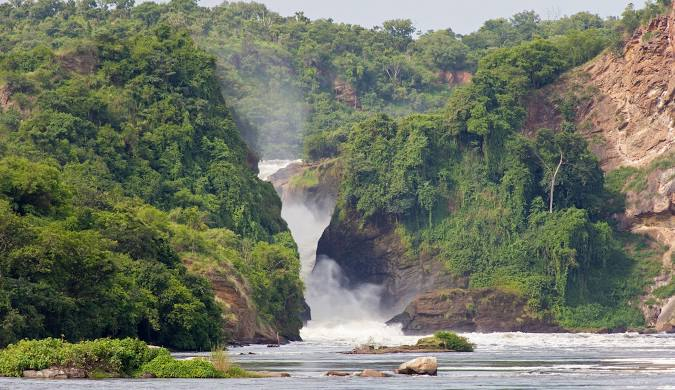
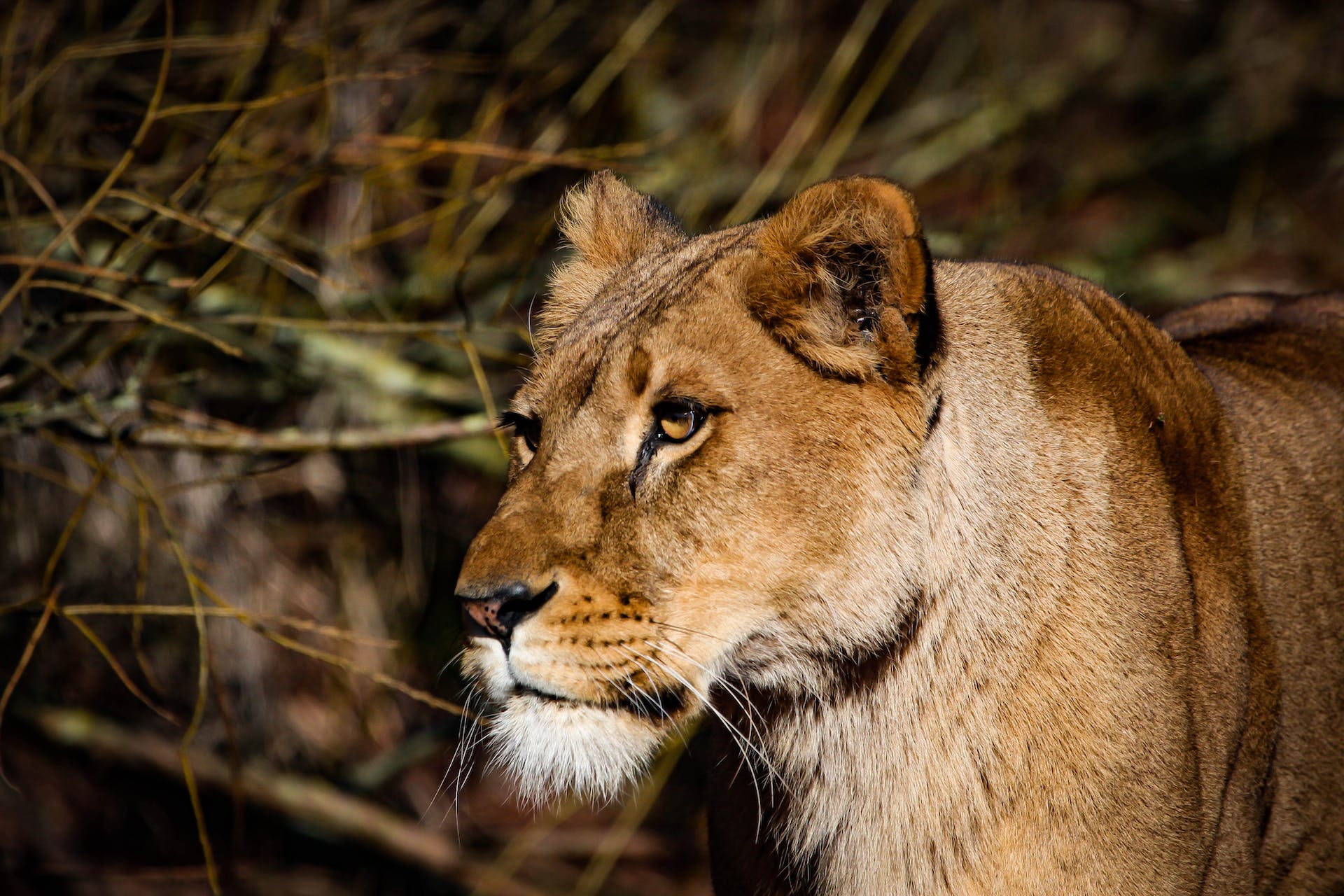
National Parks Explore Murchison Falls National Park: Where The Nile Meets The Wild In northern Uganda, the Nile River surges through a narrow cleft of rock, creating a magnificent spectacle known as Murchison Falls. The force of the water’s plunge creates a mesmerizing display of power and beauty, leaving visitors spellbound. But Murchison Falls National Park is not just about the falls; it’s a mosaic of ecosystems that harbor a staggering variety of wildlife. Embark on game drives across the savannas to spot elephants, giraffes, lions, and more. Take a boat safari along the Nile to witness hippos, crocodiles, and an array of water birds. Murchison Falls National Park promises a holistic experience that blends nature’s drama with the serenity of the wilderness. About Murchison Falls National Park Murchison Falls National Park, locally known as Kabalega National Park is situated at the end of the Albertine Rift Valley and it is Uganda’s oldest and largest safari park. Murchison is located 305 kilometers north of Kampala in Masindi District and can be accessed by road or flights. Murchison Falls National park was first gazetted as a wildlife reserve in 1926 and is home to 76 different mammal species and 451 birds. Murchison Falls Conservation Area is made up of Bugungu, Karuma wildlife reserves and Murchison Falls National Park. Murchison Falls National park is bisected by the Victoria Nile, which plunges 45m over the remnant valley wall, creating the dramatic falls, the park’s unique attraction and the final event in an 80km stretch of rapids. The mighty cascade drains the last of the river’s energy, transforming it into a broad, placid stream that flows quietly across the rift valley floor into Lake Albert. This stretch of river provides one of Uganda’s most remarkable wildlife spectacles that can only be expereinced through Uganda safaris / Uganda tours/ Uganda trips . This is something you will clearly see when you visit Murchison Falls National Park on a murchison falls safari. Regular visitors to the riverbanks include elephants, giraffes and buffaloes; while hippos, Nile crocodiles and aquatic birds are permanent residents. Notable visitors to Murchison Falls National Park include Winston Churchill, Theodore Roosevelt, Ernest Hemingway and several British royals. Common activities include: wildlife viewing safaris at murchison falls / game viewing, launch trips to the bottom of the falls and hikes to the top (Devil’s Cauldron), birding and nature walks. Launch trips stand out as the most common exciting activities because it gets you close to the centerpiece of the park. For those that want an aerial wildlife viewing experience, hot air ballooning activities are available within the park. The vegetation of Murchison Falls National Park is made up of Savannah, Riverine forest and woodland. Some of the wildlife includes kobs, elephants, Rothschild giraffes, hartebeests, oribis, leopards, lions Uganda kobs, chimpanzees, and many bird species. This safari park is an all year wildlife destination but can best be visited on a uganda safari during the months of June to late September or January to mid-March. Getting There There are many ways to get the Murchison Falls National Park. By Air: You can catch a flight to Pakuba Airstrip with Aero Link or Bar Aviation. The Park can be reached by air charter services. There are airstrips at Paraa and Rabongo which can accommodate light aircraft of up to six seats capacity. By Road: You can also reach the park by road. By road, it is a 3 hour drive from Kampala to Masindi, 217 km on tarmac and 40 km on high grade murram, then an additional 2 hours (97 km) from Masindi to the Falls on murram. A 4 wheel drive vehicle is advisable as the Masindi-Paraa road is rough. Gates to Murchison Falls National Park There are also multiple entrances to access the park Plan Ahead Popular gates are Kichumbanyobo Gateand Mubako Gate in the south of MFNP, Wankwar Gate, Tangi Gate in the North, and Chobe Gate. When is the Best Time to Visit Murchison Falls Park? The park can be visited all year round. However the trend for African safari goers affects the park. You will find more travelers visiting the park during the months of June to October as well as December to March. Murchison Falls National Park is often included in safari circuits that include visits to leading Uganda parks. It is often combined with other popular adventure activities that include gorilla safaris in Bwindi and Mgahinga, chimpanzee tracking in Kibale Forest, wildlife safaris in Kidepo and Queen Elizabeth National Park. Given that most visitors to Uganda go gorilla trekking in Bwindi Impenetrable Forest and Mgahinga Park, Murchison Falls Park receives the highest number of visitors in June to September and December to March. Going on Safari in Murchison Falls National Park during the dry season makes animal viewing easier if compared with the rainy months. It is wise to plan your safari well so that you can see all the animals on your wishlist. Start planning your next Uganda safari today with our free trip planning information and get up to date travel information, news & safari deals from our preferred travel partners. A view of falls at Murchison Falls National Park in Uganda A view of Hippos on River Nile at Murchison Falls National Park in Uganda – Valverde Safaris Uganda A shoebil bird at Mabamba swamp – Valverde Safaris Uganda Attractions at Murchison Falls National Park The Attractions at Murchison Falls National Park are quite many and fact is are all beautiful. The list below highlights some of them. Murchison Falls Murchison Falls is characterized by eternal war between rock and water. The waters violently compress through a narrow gorge, spraying misty droplets along their wake over a 50m radius. This creates a permanent rainbow over the battlefield and causes a continuous roar. From Baker Point on the southern side, you can also view the Nile splitting into the smaller Uhuru Falls, created in 1962 when the river burst its banks. River Nile A boat ride along the Nile to the foot of Murchison Falls is a rewarding experience for nature lovers, as the northern bank
Explore Uganda’s Kidepo Valley National Park
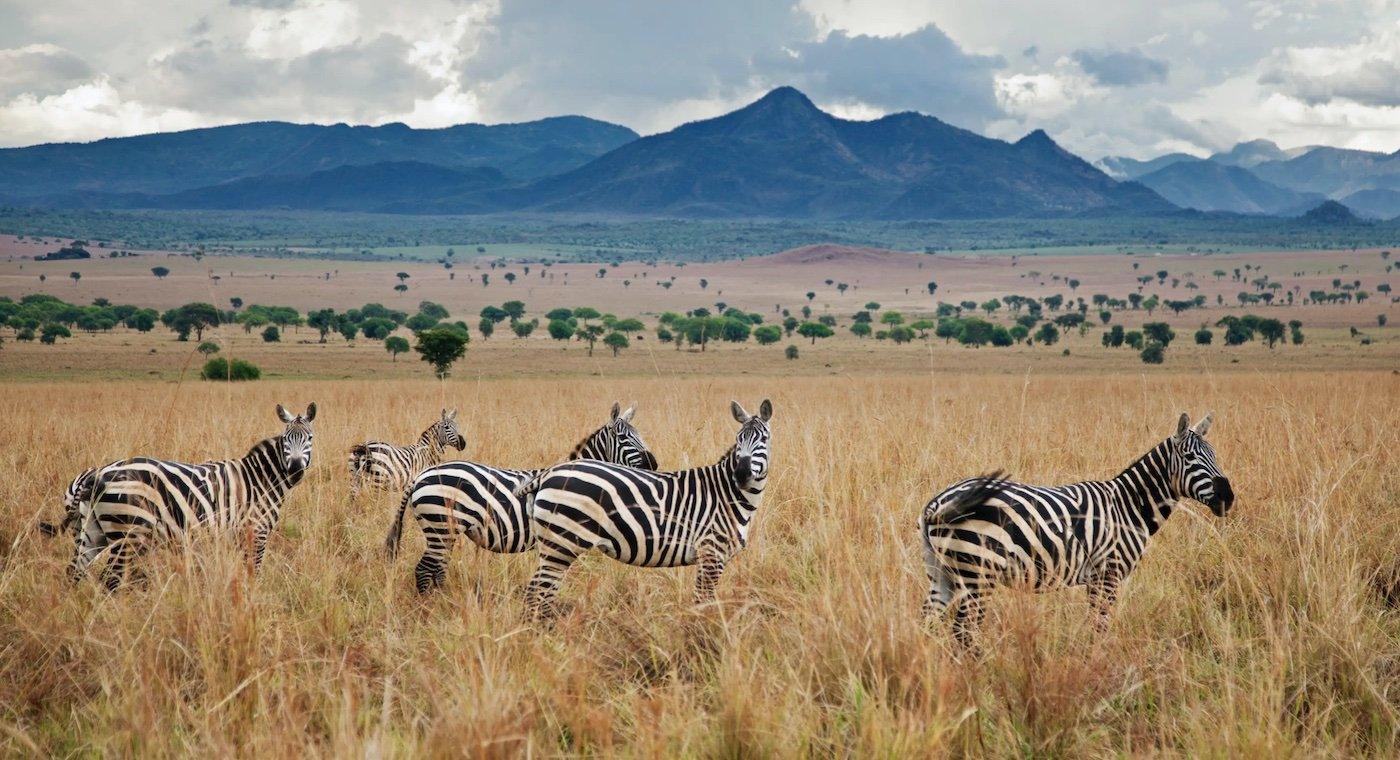
Discover the wild beauty of Kidepo Valley National Park Uganda, one of East Africa’s most remote and spectacular safari destinations.
Nestled in the far northeast of Uganda, Kidepo offers an authentic wildlife experience with abundant Big 5 sightings, including lions, elephants, buffaloes, leopards, and rhinos.
The park’s dramatic landscapes, from golden savannahs to rugged hills, provide breathtaking scenery and countless photo opportunities.
Beyond the wildlife, visitors can engage with the unique cultures of local tribes such as the Karamojong, making each safari a rich blend of nature and culture. Ideal for adventurous travelers, Kidepo Valley is perfect for game drives, guided walking safaris, and birdwatching, with over 460 bird species recorded.
Whether you are seeking thrilling wildlife encounters or serene landscapes far from the crowds, Kidepo Valley National Park Uganda promises an unforgettable safari adventure.