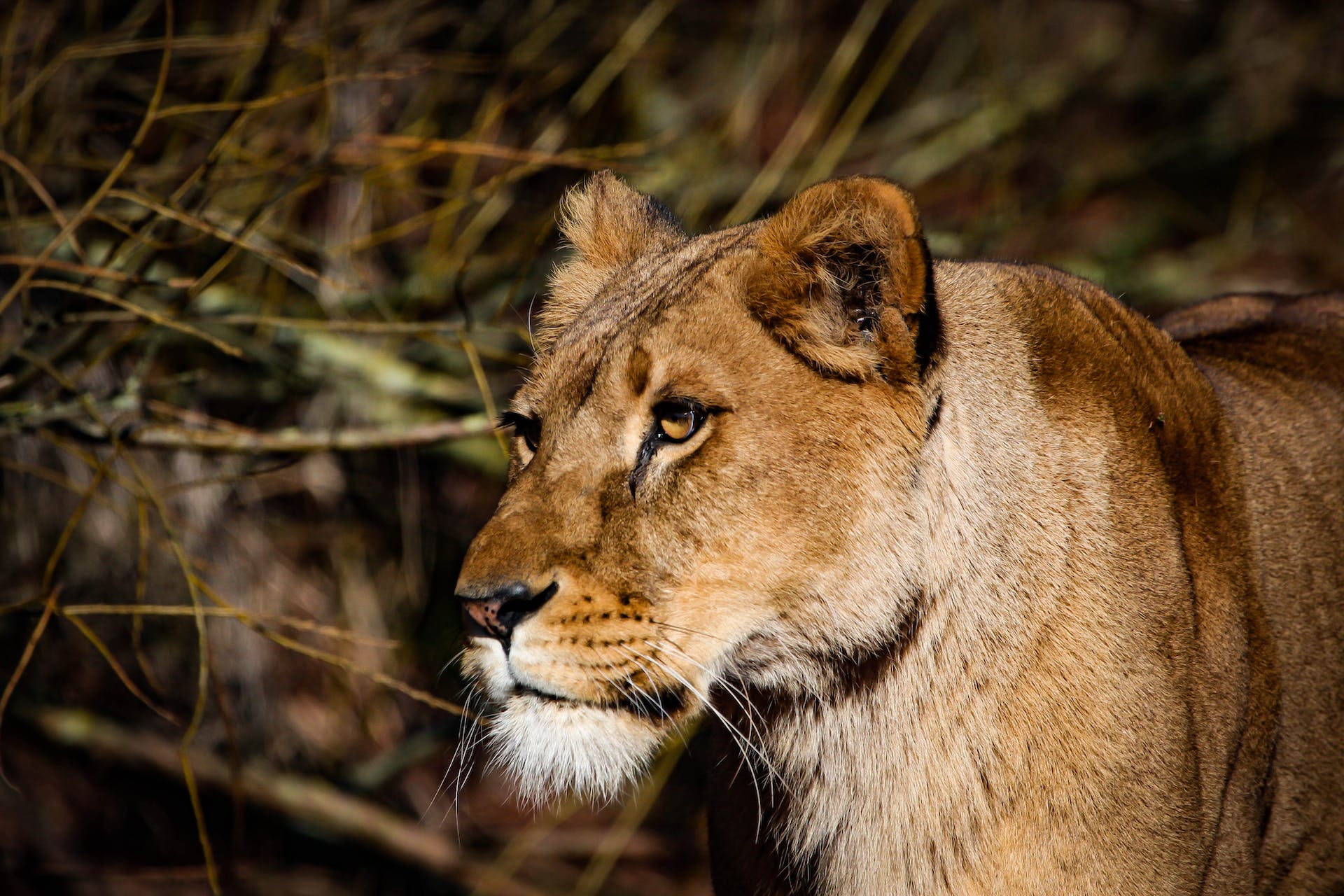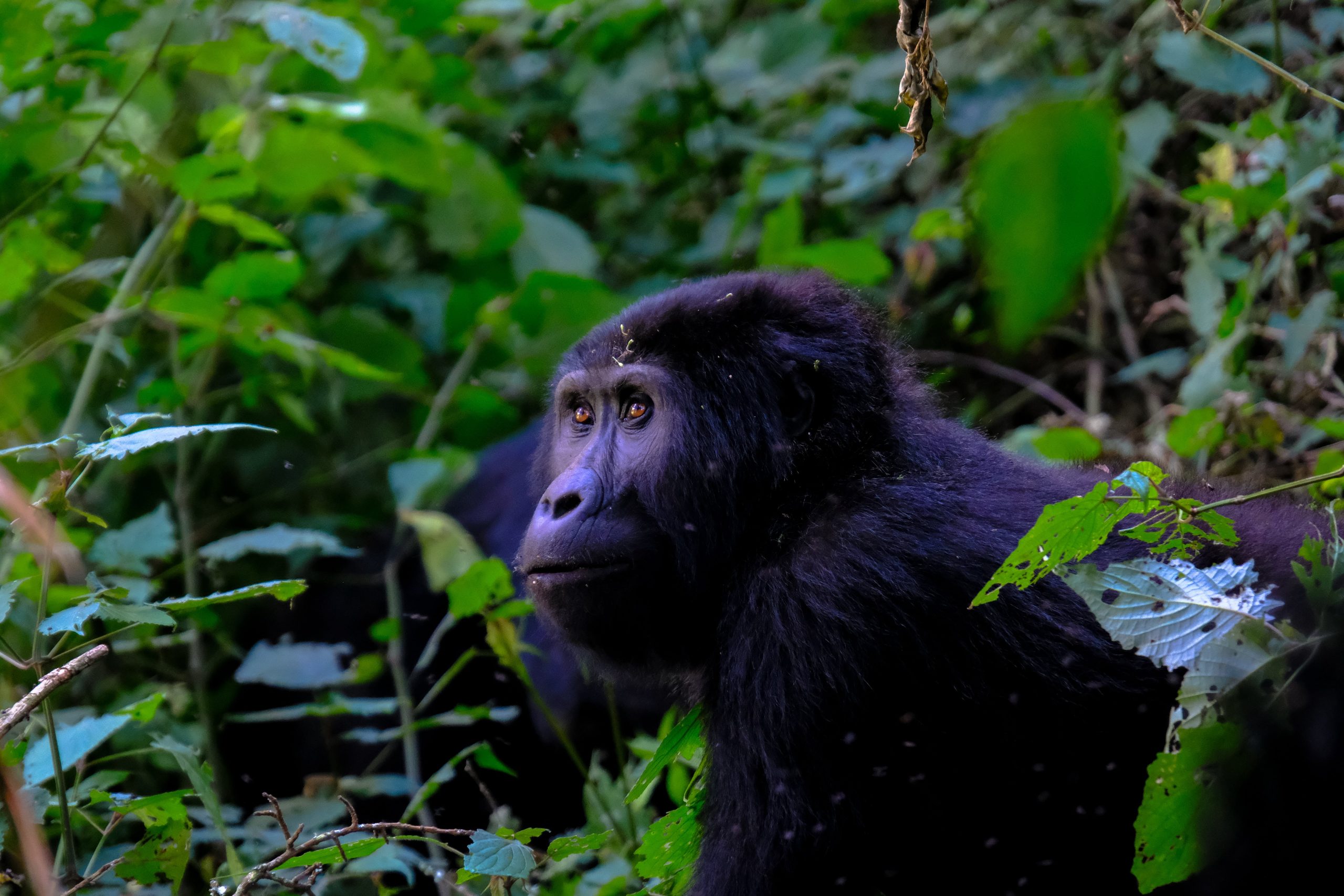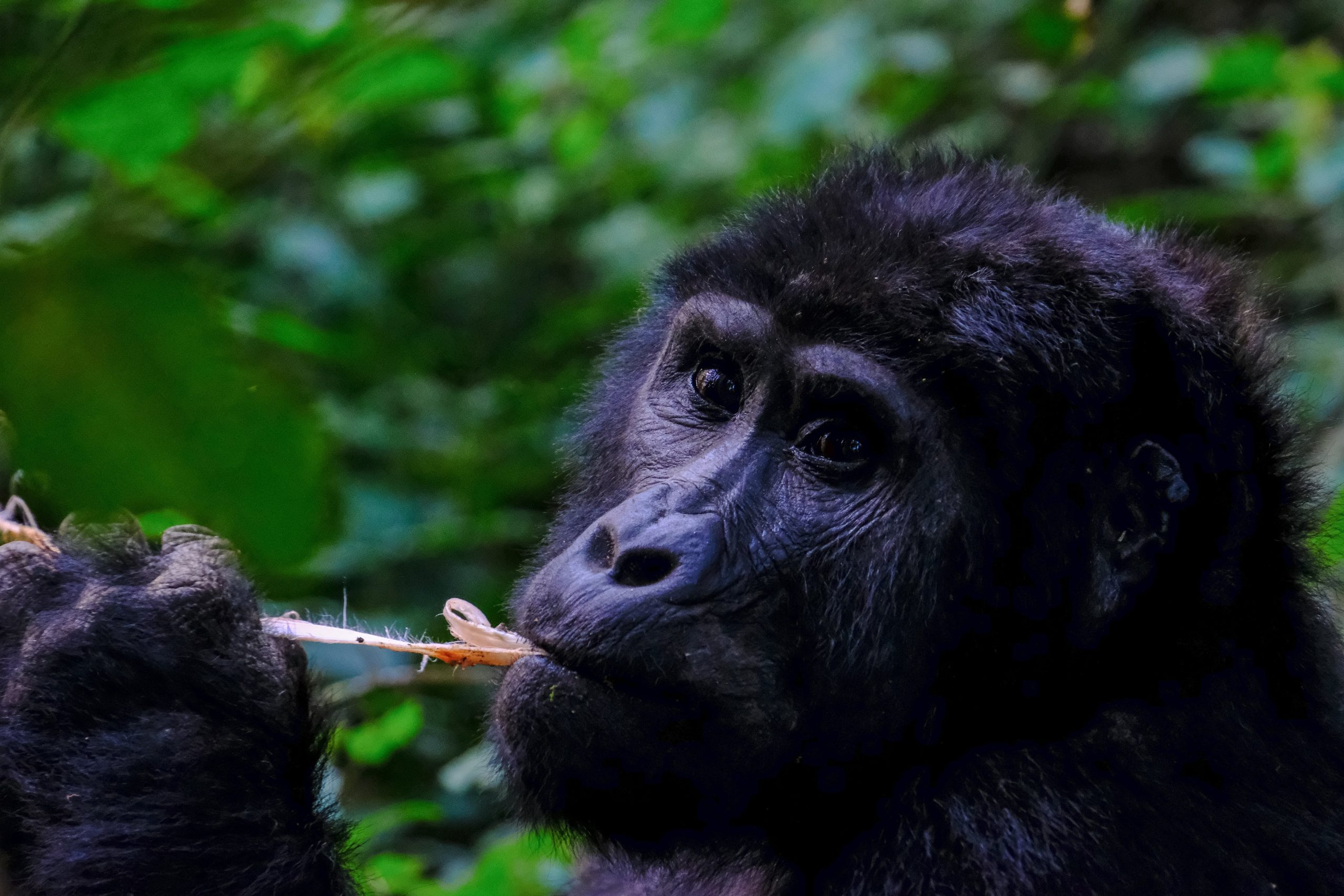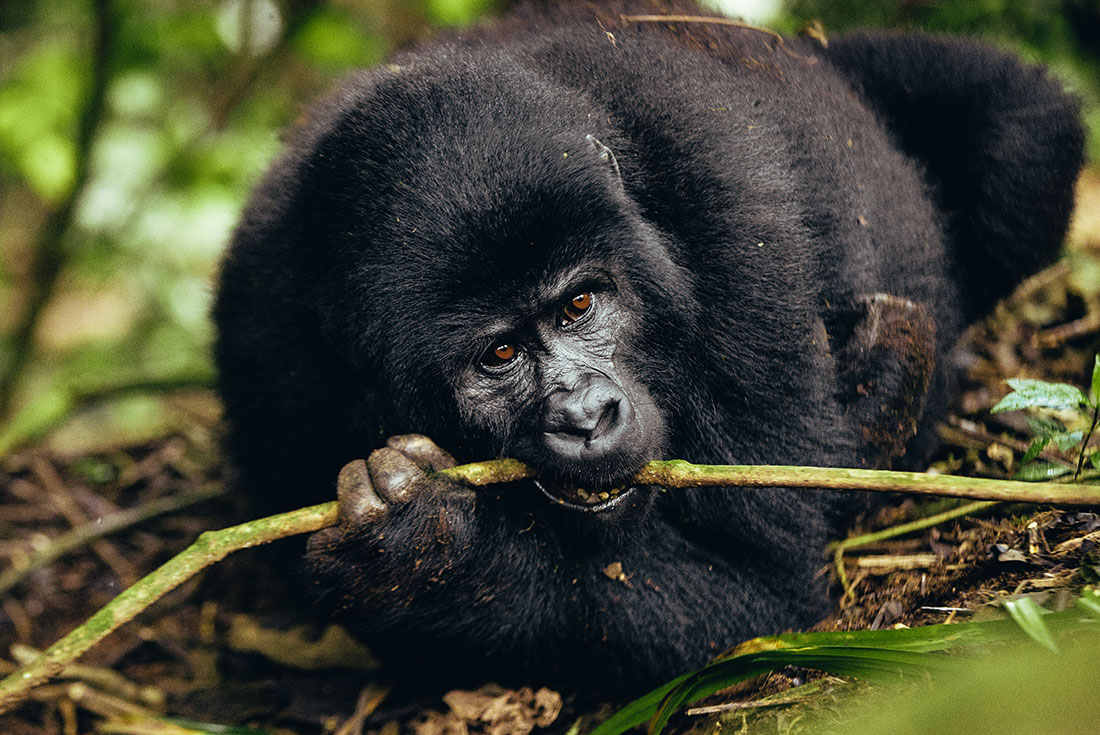
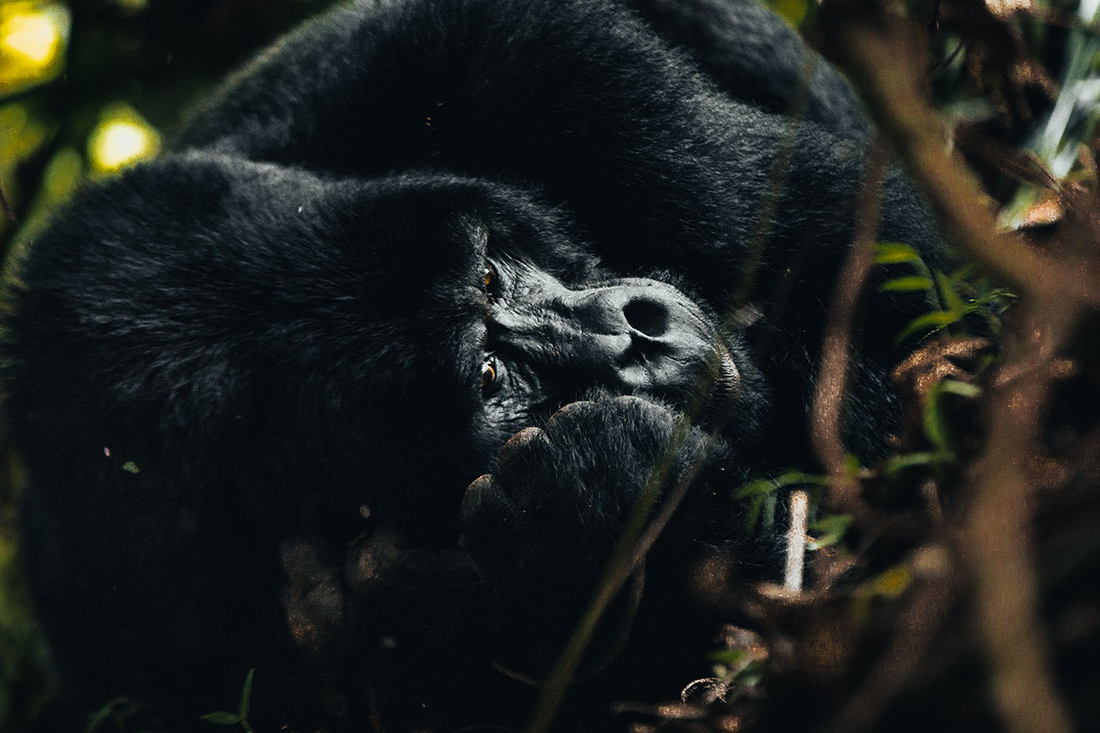
Where Is Gorilla Trekking in Uganda Gorilla trekking in Uganda is arguably Africa’s most profound wildlife encounter. Every year, adventurers from across the globe journey to the heart of the “Pearl of Africa” to stand just meters away from endangered mountain gorillas in their ancient, misty habitats. If you are beginning to plan this bucket-list journey, the first step is knowing exactly where to go. At Valverde Safaris, we handle the logistics—from securing high-demand permits to designing seamless itineraries—so you can focus on the magic of the moment. A mountain gorilla peacefully munching on a leaf in its natural habitat at Bwindi Impenetrable National Park – Valverde Safaris Uganda The Two Primary Destinations for Gorilla Trekking Uganda is home to two protected national parks in the rugged southwestern region where these great apes thrive: 1. Bwindi Impenetrable National Park Bwindi is the crown jewel of gorilla conservation and the most popular choice for trekkers worldwide. A Global Stronghold: Home to nearly half of the world’s remaining mountain gorilla population. Four Unique Sectors: Treks are organized into four distinct regions: Buhoma, Rushaga, Nkuringo, and Ruhija. The Habituation Experience: The only place in the world where you can opt for a 4-hour immersive “Habituation” encounter. Biodiversity: A UNESCO World Heritage site featuring dense, prehistoric rainforests. 2. Mgahinga Gorilla National Park Part of the dramatic Virunga Massif, Mgahinga offers a distinct, high-altitude trekking experience. Volcanic Majesty: Set against the backdrop of three extinct volcanoes. Exclusive & Intimate: With only one habituated family (the Nyakagezi group), the trails are quieter and less crowded. Scenic Beauty: Perfect for photographers and travelers seeking a peaceful, off-the-beaten-path adventure. A mountain gorilla amidst the lush forest of Mgahinga Gorilla National Park – Valverde Safaris Uganda A Gorilla resting in Bwindi Impenetrable Forest A mountain gorilla peacefully munching on a leaf in its natural habitat at Bwindi Impenetrable National Park – Valverde Safaris Uganda Location & How to Get There Both parks are located in the remote southwestern corner of Uganda, near the borders of Rwanda and the DRC. From Entebbe (Uganda): A scenic 8–10 hour drive or a convenient 1.5-hour domestic flight. From Kigali (Rwanda): A shorter 4–5 hour drive across the border into southern Bwindi—often the preferred route for those looking to save time. The Valverde Safaris Advantage: We provide comfortable, private transfers and manage all cross-border logistics for travelers arriving via Kigali. The Trekking Experience: What to Expect Your journey is facilitated by the Uganda Wildlife Authority (UWA) to ensure the safety of both humans and gorillas. Morning Briefing: Learn about trekking etiquette and gorilla behavior. The Hike: A guided trek through the forest lasting anywhere from 1 to 6 hours, depending on where the gorillas nested the previous night. The Encounter: One unforgettable hour observing the silverbacks, mothers, and playful juveniles. Permit Costs for 2026 Securing a permit is the most critical part of your planning. Standard Gorilla Trek: $800 USD (1 hour with the gorillas). Gorilla Habituation: $1,500 USD (4 hours with the gorillas). Stress-Free Booking: We secure these permits on your behalf as part of our all-inclusive safari packages. A mountain gorilla munching on a stick at Bwindi Impenetrable National Park A gorilla sits in a forest at Bwindi Impenetrable Forest National Park – Valverde Safaris Uganda Go Beyond the Gorillas Why stop at the forest? We can easily extend your itinerary to include: Queen Elizabeth National Park: Famous for tree-climbing lions. Kibale Forest: The primate capital of the world for chimpanzee tracking. Murchison Falls: Powerful waterfalls and classic savannah game drives. Why Choose Valverde Safaris? Navigating the logistics of a remote African safari requires local expertise. When you book with us, you receive: Guaranteed Permits: No paperwork headaches or availability stress. Expert Guides: Knowledgeable locals who know every inch of the forest. Customized Comfort: Hand-picked lodges ranging from cozy mid-range to ultra-luxury. Reliability: 24/7 support and stress-free planning from start to finish. Ready to start your adventure? Contact our team today: Email: info@valverdesafaris.com | WhatsApp/Call: +256 771 808 727 Web: www.valverdesafaris.com
Why Gorilla Trekking in Uganda Is the #1 Tourist Adventure
Places to visit Why Gorilla Trekking Is the Most Popular Tourist Activity in Uganda When travelers dream of Africa, visions of endless savannahs, roaming lions, and spectacular sunsets often come to mind. But ask anyone who has visited Uganda, and you’ll hear a different highlight — gorilla trekking Uganda. This one-of-a-kind activity allows adventurers to step into the misty jungles of Bwindi Impenetrable National Park and Mgahinga Gorilla National Park to encounter the world’s last remaining mountain gorillas. Uganda is home to nearly half of the global population of these gentle giants. For many visitors, the chance to observe gorilla families in their natural habitat is more than a safari activity — it’s a life-changing journey, one that blends conservation, adventure, and culture. It’s no surprise that gorilla trekking is the most popular tourist activity in Uganda, drawing thousands of visitors each year. A mountain gorilla peacefully munching on a leaf in its natural habitat at Bwindi Impenetrable National Park – Valverde Safaris Uganda What Makes Gorilla Trekking in Uganda So Special? Unlike a game drive where animals may appear from a distance, gorilla trekking offers intimate and up-close encounters. Trekkers spend hours hiking through lush forests, guided by expert rangers who track gorilla movements. When you finally come face-to-face with a family of gorillas, the experience is breathtaking. Watch a silverback — the dominant male — protectively guard his troop. Observe mothers nursing babies while youngsters tumble and play. Listen to the deep rumble of gorilla communication echoing through the forest. This raw, unscripted encounter with our closest relatives in the animal kingdom is unlike any other safari experience. It’s an emotional moment that often leaves visitors in awe — and sometimes even in tears. Where to Go: Bwindi & Mgahinga Gorilla National Parks Uganda offers two primary destinations for gorilla trekking, each with its unique appeal. Bwindi Impenetrable National Park A UNESCO World Heritage Site, Bwindi is the most popular gorilla trekking destination in Uganda. With over 20 habituated gorilla families, the park offers a wide range of trekking routes. Its dense rainforest, dramatic ridges, and misty valleys provide the perfect backdrop for an unforgettable adventure. Highlights: Largest gorilla population, multiple sectors (Buhoma, Ruhija, Rushaga, Nkuringo), and diverse wildlife including forest elephants and colorful birds. Mgahinga Gorilla National Park Nestled in the Virunga Mountains, Mgahinga is smaller but equally enchanting. Trekkers here enjoy volcanic landscapes, golden monkey tracking, and fewer crowds compared to Bwindi. Highlights: Stunning volcano scenery, cultural encounters with the Batwa pygmies, and the chance to combine gorilla trekking with other primate adventures. A mountain gorilla amidst the lush forest of Mgahinga Gorilla National Park – Valverde Safaris Uganda A Gorilla resting in Bwindi Impenetrable Forest A mountain gorilla peacefully munching on a leaf in its natural habitat at Bwindi Impenetrable National Park – Valverde Safaris Uganda Gorilla Trekking Permits and Costs in Uganda To regulate tourism and protect gorillas, a permit is required for each trek. Cost: USD 800 per person (2025) What it includes: Park entry, guides, trackers, and one magical hour with gorillas Where to buy: Uganda Wildlife Authority (UWA) or authorized tour operators Permits are limited and sell out months in advance, especially in high season. Booking early is essential to secure your spot. Pro Tip: Some travelers combine gorilla trekking Uganda with safari extensions such as Queen Elizabeth National Park, Murchison Falls, or chimpanzee trekking in Kibale Forest. Best Time of Year for Gorilla Trekking in Uganda Uganda’s equatorial climate makes gorilla trekking possible year-round. However, the dry seasons are considered the best times: June to September – Peak season with pleasant trekking conditions December to February – Shorter dry season with fewer crowds Rainy seasons (March–May, October–November) can make trails muddy and slippery, but the forest is incredibly lush, and fewer tourists mean a more private experience. Preparing for Gorilla Trekking: What to Expect A gorilla trek is an adventure — sometimes lasting 2–6 hours, depending on the gorilla family’s location. Here’s what to keep in mind: Fitness: Moderate physical fitness is recommended, as treks involve hiking uphill through dense vegetation. Gear: Good hiking boots, rain jacket, gloves, long trousers, and a walking stick are essential. Rules: Visitors must maintain a 7-meter distance, avoid flash photography, and follow ranger instructions to ensure both safety and conservation. For many, the anticipation of the trek is part of the excitement. Every step through Uganda’s lush forests brings you closer to an extraordinary encounter. Conservation and Community Benefits Gorilla trekking is more than tourism — it’s a vital tool for conservation and community development. Conservation impact: Revenue from permits funds ranger patrols, habitat protection, and anti-poaching efforts. Community support: A portion of permit fees is invested in local villages, supporting schools, health centers, and infrastructure. Sustainable tourism: By choosing gorilla trekking Uganda, travelers contribute directly to the survival of endangered mountain gorillas. This symbiotic relationship ensures that gorillas thrive, communities benefit, and visitors enjoy an authentic experience. A mountain gorilla munching on a stick at Bwindi Impenetrable National Park A gorilla sits in a forest at Bwindi Impenetrable Forest National Park – Valverde Safaris Uganda Uganda vs Rwanda Gorilla Trekking — Which to Choose? Both Uganda and Rwanda offer incredible gorilla trekking, but Uganda stands out for several reasons: More gorilla families available for trekking Lower permit cost compared to Rwanda ($800 vs Rwanda’s $1,500) Diverse safari options beyond gorillas — Big Five safaris, chimpanzee tracking, boat cruises, and cultural tours Scenic variety — from misty mountains to rolling savannahs For travelers seeking value, diversity, and adventure, Uganda is often the preferred choice. Other Activities to Combine with Gorilla Trekking Gorilla trekking is the highlight, but Uganda offers so much more: Game drives in Queen Elizabeth or Murchison Falls National Parks Chimpanzee trekking in Kibale Forest or Budongo Nile boat safaris with hippos, crocodiles, and birdlife Cultural tours — meet the Batwa community or experience Ugandan traditions Adventure activities — white-water rafting on the Nile or hiking the Rwenzori Mountains By combining
5-Day Best Gorilla, Primates, and Wildlife Adventure Safari
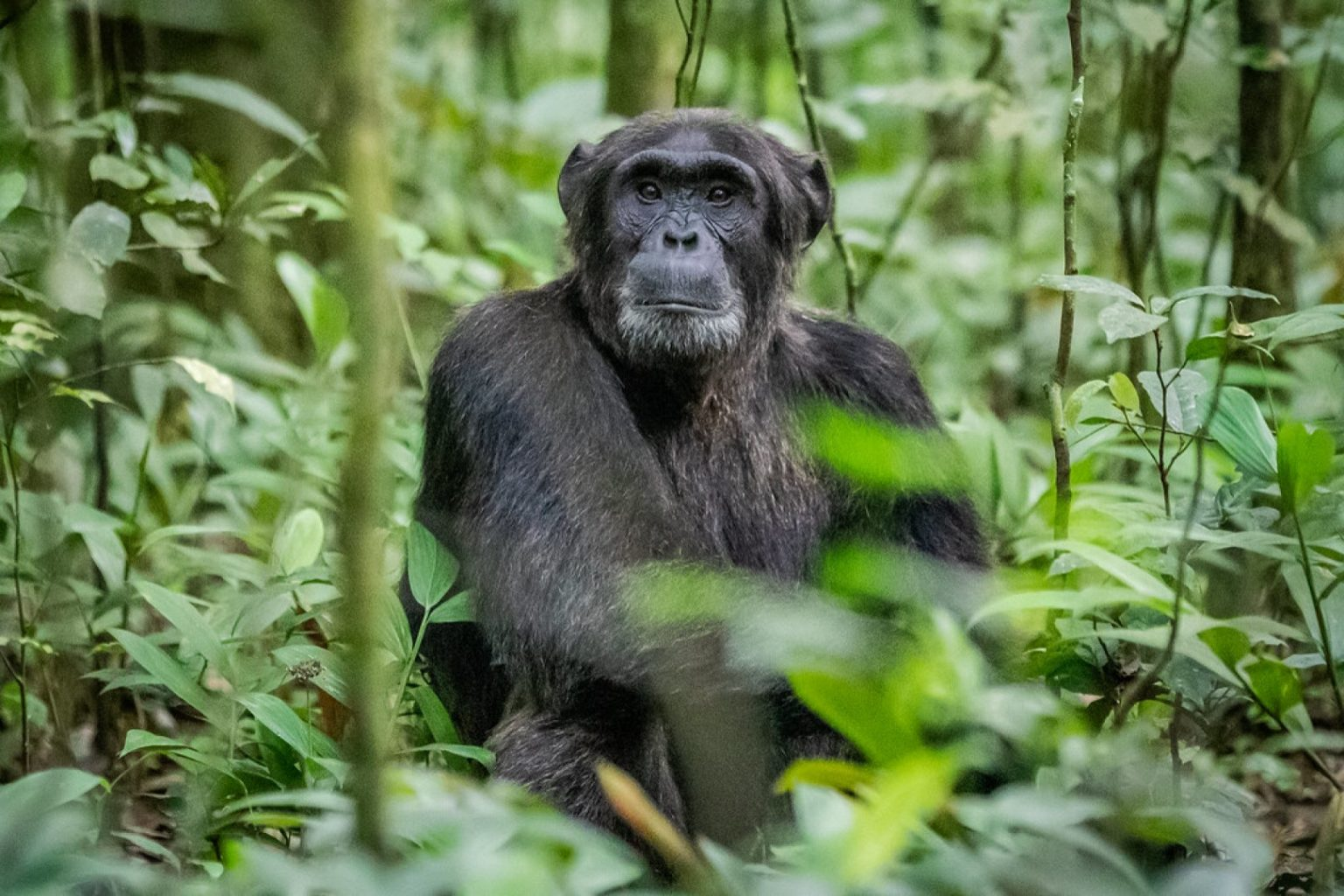
5-Day Best Gorilla, Primates, and Wildlife Adventure Safari This tour is designed to immerse you in the stunning beauty of Uganda by exploring its magnificent national parks. The safari includes a visit to Queen Elizabeth National Park for a stunning wildlife view, a boat cruise on Kazinga Channel, and then a visit to Bwindi Forest, home to half of the world’s remaining population of the rare mountain gorillas, before a return to Entebbe. Uganda Primates Adventure (Gorillas & Chimps) Tour. Safari Highlights Safari Inclusions and Exclusions Packing List Safari Highlights Day one: Transfer from Entebbe to Queen Elizabeth National Park Day Two: Game Drive and Boat Cruise on Kazinga Channel Day three: Morning Game Drive and then Transfer to Bwindi Impenetrable National Park Day Four: Gorilla Trekking and Visiting the Batwa in Bwindi Impenetrable National Park Day Five: Transfer to Entebbe Safari Inclusions and Exclusions The 3-day Uganda Gorilla Fly-In safari package includes Park fees (For non-residents) Gorilla permits (One per person, non-resident) All activities (Unless labeled as optional) All accommodation (Unless listed as upgrade) A professional driver/guide All transportation (unless labeled as optional) All Taxes/VAT Roundtrip airport transfer Meals (As specified in the day-by-day section) Drinking water (On all days) The safari excludes International flights (From/to home) Additional accommodation before and at the end of the tour Tips (tipping guideline: US$10.00 pp per day) Personal items (Souvenirs, travel insurance, visa fees, etc.) Government-imposed increase of taxes and/or park fees Packing List While on a safari in Uganda, you should pack some or all of the following items; A camera: A safari in Uganda is incomplete without a good camera. You cannot come back from a safari without evidence to show your friends and family about the wonderful time you had. Hiking Boots: Gorilla and chimpanzee trekking requires good hiking boots for comfort especially during the rainy season. Stocking: Long stockings will help in tucking in your trousers to avoid crawling insects. Rain Jacket: This is very important while hiking during the rainy season. The rains can be unpredictable in Uganda especially when you consider global warming. There is always the possibility of rain in Bwindi forest regardless of season of the year. Long Shirts and trousers: The game parks and forests contain insects and other crawling creatures that you need to keep off. There are also sharp tree branches and thorns. Long sleeved shirts and trousers will keep off any insects and also protect you from sharp trees. Hand gloves: Hand gloves are important for grabbing leaves and tree branches while hiking through dense forest. Water: Many of the activities mentioned above involve staying out for long hours in the sun. Expect to get dehydrated and tired if you do not pack some water. You need to have water filtration tablets if you cannot move with bottled water. Packed Snack: This is very important for the chimpanzee habituation experience and gorilla trekking. It is difficult to predict when the two activities will end. You are better off parking lunch so that you don’t get hungry. Detailed Itinerary Day 1: Transfer from Entebbe to Queen Elizabeth National Park This day involves traveling from Entebbe to Queen Elizabeth National Park, taking the Kampala-Mbarara route. Along the way, you will encounter numerous beautiful and eye-catching sights, such as the traditional drum-making center at Mpambire. The drive to Queen Elizabeth National Park also allows you to visit the equator line, where you can take photos. You’ll proceed and have a stopover at Igongo Museum-Biharwe Mbarara for lunch and have a visit to the museum for cultural and traditional experiences about the local communities. After here, you’ll travel to Queen Elizabeth National Park. You will later check in at your lodge for an overnight stay. Accommodation: The Bush Lodge (Banda) Day 2: Game Drive and Boat Cruise on Kazinga Channel You’ll wake up early in the morning and have breakfast. Afterward, you will proceed for chimpanzee trekking in Kyambura gorge. You will enjoy these primates for over 2 to 3 hours. There are also many other animals in the gorge like monkeys, birds, baboons, and so on.After the trek, you will return to the lodge for lunch as you prepare for a boat cruise on the Kazinga Channel where you will have a chance to see many animals including crocodiles, hippos, birds, buffalos, and so on. Dinner & Accommodation: The Bush Lodge (Banda) Day 3: Morning Game Drive and then Transfer to Bwindi Impenetrable National Park After breakfast, you’ll start this day’s activities by having a game drive in Queen Elizabeth National Park. This activity focuses on giving you a personal encounter with the wilderness of the park. Queen Elizabeth National Park has several beautiful crater lakes that wind through the rolling hills, the Kazinga Channel with an awesome view of both land and water-adapted animals such as hippos lined up at the shores. With a vegetation cover of grassland, acacia woodland, tropical rainforest, and a variety of wetlands, this park is home to different animal species and birds. In addition, you may see the amazing big game hippos, elephants, and buffalos. Your trip will enable you to understand how these animals thrive in the grasslands and shorelines. You may also encounter warthogs, waterbuck, Uganda kob, topis, and monkeys as they play about in the trees. You’ll then travel to Bwindi, check-in at your accommodation for an overnight stay. Dinner & Accomodation: Ride 4 a Woman Guest House Day 4: Gorilla Trekking and Visit The Batwa in Bwindi Impenetrable National Park Early morning breakfast and tracking for the mountain gorillas in the jungle forest of Bwindi. Gorilla trekkers will take the most exciting and memorable activity of trekking the mountain gorillas in the thick jungle. The time spent trekking depends on the movement of these gorillas; it’s about 2 to 8 hours. Before you start the trekking, you should expect to hike for a long distance under muddy and steep conditions before seeing the great apes in the jungle. The gorilla trekking experience is rewarding as you sit, play, and
3 Days Uganda Gorilla Fly-In Safari.
3 days Uganda Gorilla Fly-In Safari. This safari takes you to Buhoma side of Bwindi Impenetrable National Park or Kisoro (Rushaga and Nkuringo in the southern part of Bwindi using scheduled flights that land at either Kihihi or Kisoro Airstrips Detailed Itinerary Trip Details Transport Requirements Overview This three day fly in safari is designed for those who have less time and want to trek gorillas in Uganda. It allows you to avoid the long drives from Entebbe to Bwindi Impenetrable National Park. You will spend one and half hours flying and approximately one and half hours in road transfers from the airstrip (Kihihi) to Buhoma Highlights Day One: Pick up and transfer to Entebbe Airport for your internal flight to Bwindi Day Two: Gorilla Trekking in Bwindi Impenetrable National Park Day Three: Transfer to Kihihi/Kisoro Airstrip for your internal flight to Entebbe STANDARD: 4X4 SAFARI VAN Our standard mode of transport is by road and we use 4×4 Safari Vans customized for game viewing and photography. Each safari van comes with a professionally trained driver guide and fuel for the whole safari. Our Safari vans have viewing hatches and each client is entitled to a window seat. Our Vans can take up to eight people. We also have 4×4 Super Customs very comfortable and stable on the road. These carry up to 5 people with their luggage. We also have 4×4 RAV 4 for a group of two people UPGRADE: 4X4 LUXURY SAFARI LANDCRUISER We have luxury latest Land cruisers each driven by professionally trained driver guides and fuel. They have pop-up roofs for proper game viewing and photography. They come with a small fridge for cooling your drinking water while on safari (which is always included while IN THE VEHICLE). They have inverters for charging small gadgets such as your smartphones and cameras. They can seat five to a maximum of seven people and each client is guaranteed of a window seat. New Normal Travel Guidelines (SOPs) At Valverde Safaris our core value is to provide you with an authentic safari experience during these new and changing times when the whole world is alert about the ongoing pandemic of the Coronavirus. Valverde Safaris SOPS have been put in place to ensure the wellbeing, safety and health of our clients and as such guidelines and measures have been put in place as we return to the new normal post covid-19. All these are in line with advice, guidelines and procedures for a post covid-19 traveler put in place by WHO, UNWTO, UWA, AUTO, UTB and Civil Aviation. General recommendations for personal hygiene, cough etiquette and keeping a distance of at least one meter from persons showing symptoms remain particularly important for all travelers and even those without symptoms. These include: Perform hand hygiene frequently, particularly after contact with respiratory secretions. Hand hygiene includes either cleaning hands with soap and water or with an alcohol-based hand rub. Alcohol-based hand rubs are preferred and are not easily soiled. All travelers are advised to carry with. Cover your nose and mouth with a flexed elbow or paper tissue when coughing or sneezing and disposing immediately of the tissue and performing hand hygiene; the recommended type of mask is the N95. Refrain from touching mouth, eyes and nose, in general areas of the face. Postponing travel plans in cases of illness, and avoiding contact with people suffering from acute respiratory infections, hence social distance of at least one meter apart and if you are not sure of your health then postpone travel until you feel On arrival at the airport or any entry point Mandatory temperature screening using non-contact infra-red thermometers at the key tourism gates at the Airport. Clients are required to have tested for the Virus prior to travel dates and should carry with medical documents supported by medical evidence and consistent with health best practices. A non-contact system (digital travel) has been introduced at the Airport for clients to check in and out and at visa points, you will be attended to by someone behind a glass shield and they will also wear face masks and protectors to maintain as little contact as possible. It’s now a must for all travel bags to be wrapped in plastic bags for travellers who are checking in at the Airport. Mandatory hand washing / sanitizing at all entrances of the Airport for all travellers and staff. Face masks are a must for all travelers, the recommended mask is an N95. Tours should not exceed more than 4 in a group to maintain social distancing and walk marks in place around the airport. In the vehicle while traveling. Regular communication of safety protocols and responsibilities to clients, and to keep them informed and reminded to stay vigilant while enjoying. Onboard sanitizing tissues and/or fluids to clients (travelers) and staff (driver guides and the like) will be available and we encourage you to use them. Making stops along the way for gas, food, or bathroom breaks can put you and your traveling companions in close contact with other people and surfaces. Hence we will minimize the stops and set designated stopping areas that we prove to be safe for our health and we will encourage a takeaway food system to seating in hotels during stops. We rather encourage picnic eating along the way. Cleaning all surfaces more frequently, using products and disinfectants that meet requirements with special attention to high-touch surfaces like vehicle door knobs, picnic boxes, hand rests, refrigerators, etc. Redesigning all processes towards a more digital and touchless approach in all possible touch-points. Like cashless payment points as money has been found to spread the virus. Reduce the number of objects on board. Limit luggage quantities while traveling to only what is enough for your tour. At the lodge. Encounter Africa Safaris is working with only those lodges that have proven to uphold the health of our clients first and practicing as per the guidelines of WHO as below; Our partner hotels, lodges and restaurants are those