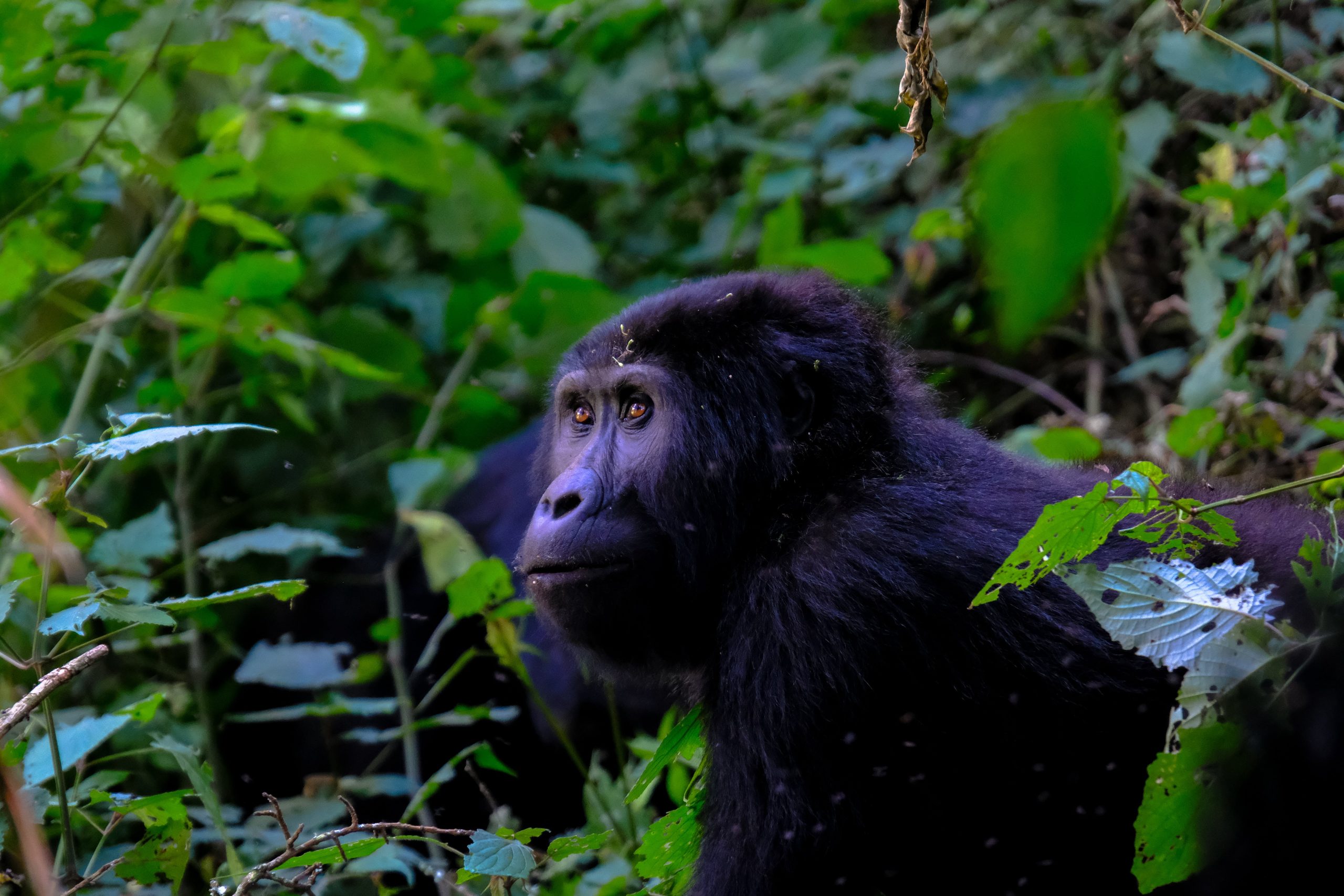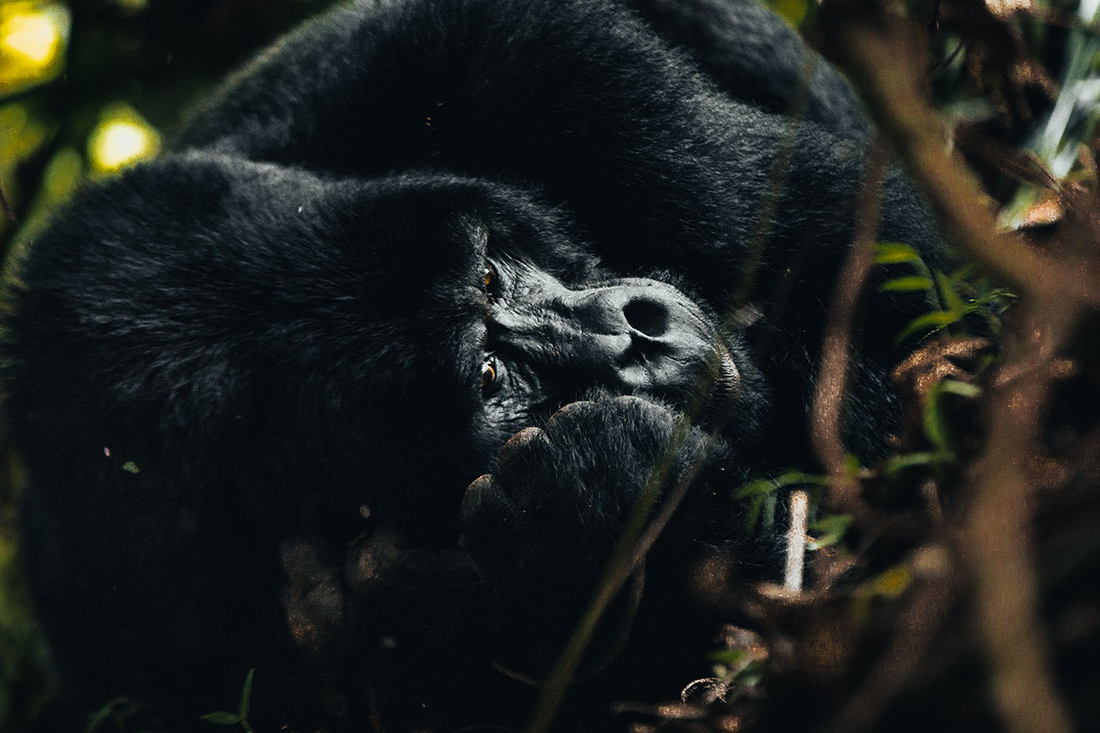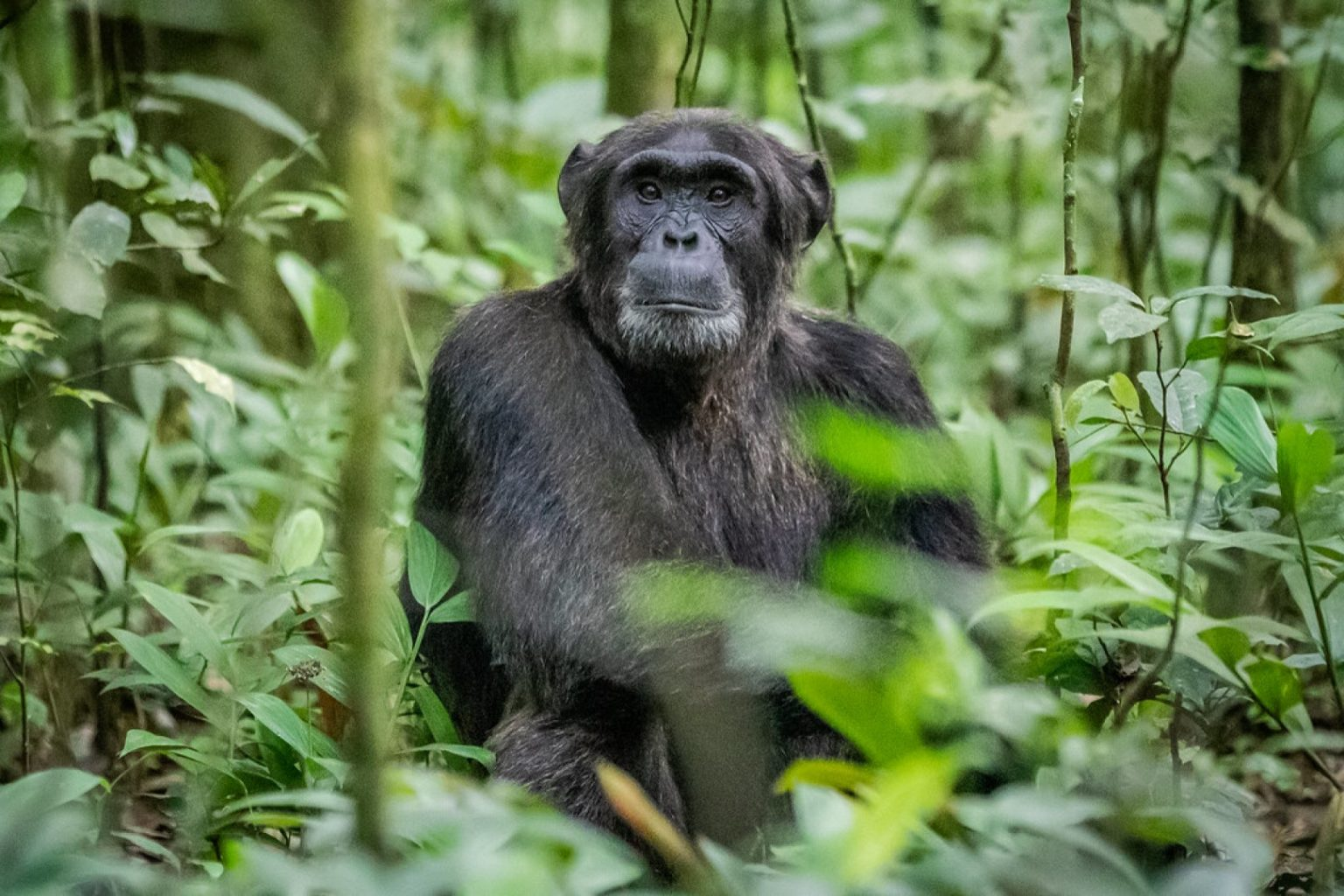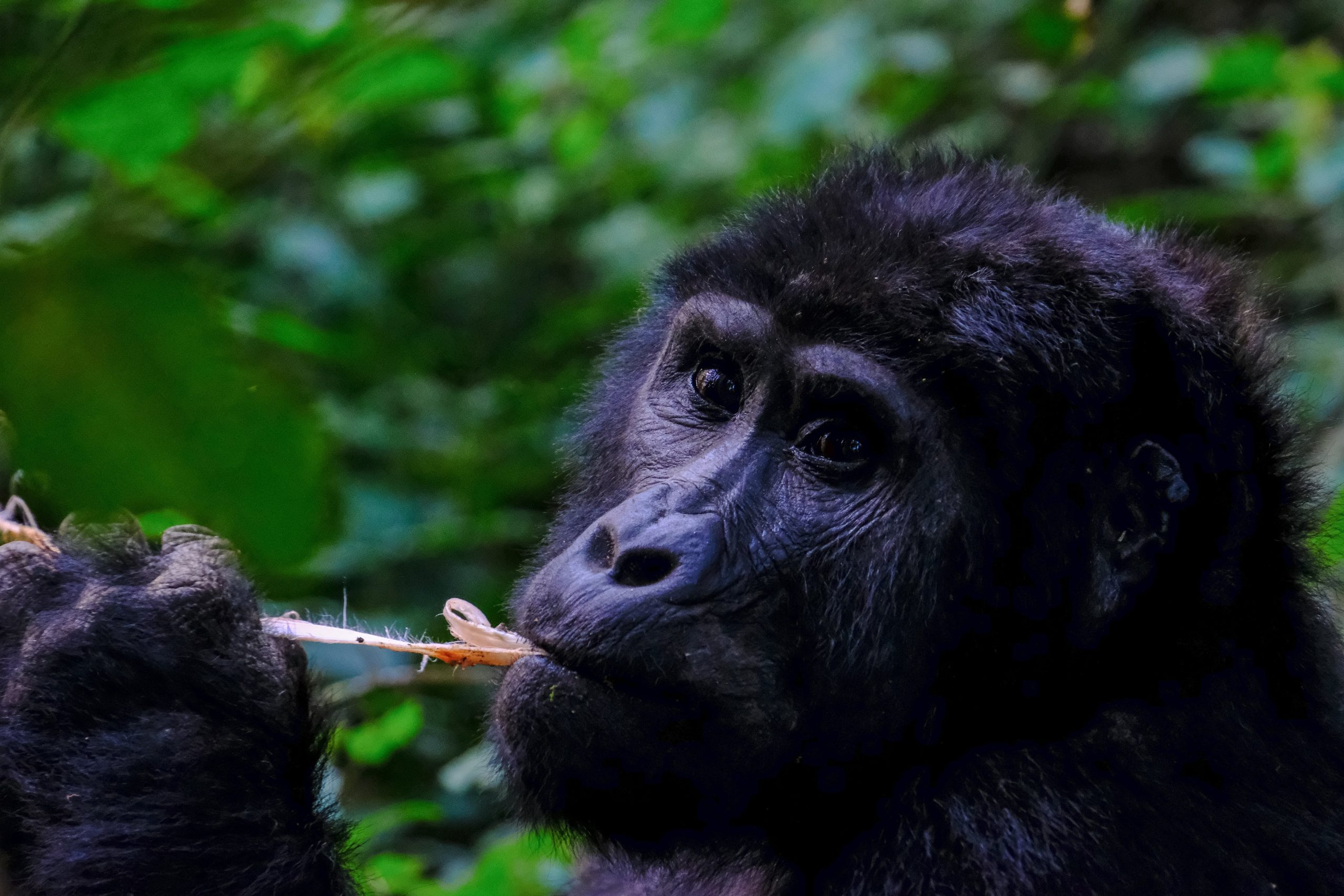
Gorilla Trekking in Uganda – A Guide to see Mountain Gorillas in Uganda Are you planning and interested in visiting Uganda for Gorilla Trekking? This Valverde Safaris guide on Gorilla trekking in Uganda will help you plan well your trip for a great experience during your gorilla trek tour to Uganda. Gorilla trekking in Uganda is only done in two national parks Bwindi Forest National Park and Mgahinga Gorilla National Park both found in southwestern Uganda, Gorilla trekking is one of the major activities that attract many tourists to Uganda and many include this activity in their itineraries when visiting Uganda. What is Gorilla Trekking? Defined Gorilla Trekking in Uganda involves walking and hiking through the forest to search for gorillas in their natural habitat once you find the gorillas you spend one hour encountering them, learning more about their daily lifestyle, taking pictures and videos. About Bwindi Impenetrable Forest National Park Bwindi Impenetrable Forest is one of the only 4 national parks home to endangered mountain gorillas in the world, other national parks include Mgahinga Gorilla National Park in Uganda, Volcanoes national park in Rwanda, and Virunga National Park in DR Congo. Bwindi Forest National Park is one of Africa’s oldest forests with diverse biodiversity with various species which include 350 birds, 310 butterflies, 200 trees, 51 reptiles, 88 months, and 120 mammals, the park is also home to several primates including chimpanzees, L’Hoest’s monkey and the major one the Mountain Gorillas. The global population of mountain gorillas is 1064 individuals and half of these can be found in Bwindi impenetrable forest, the park has over 15 habituated gorilla family groups open for gorilla tracking with 8 gorilla permits allocated to each group per day. About Mgahinga Gorilla National Park Mgahinga Gorilla National Park is the other only national park in Uganda where gorilla trekking is done the other is Bwindi Impenetrable Forest national Park. Mgahinga National Park is home to one gorilla family called Nyakagezi open for gorilla trekking. The park is also home to 3 volcanoes Sabinyo, Gahinga and Muhavura volcanoes of the 6 extinct volcanoes found in the Virunga ranges sharing borders with Volcanoes National Park in Rwanda and Virunga National Park in DR Congo also home to mountain gorillas. Mgahinga National Park is the smallest National Park in Uganda covering just 38 kmsq it is also best known for golden monkey trekking making it the only national park in Uganda where to see gorillas and golden monkeys. Mgahinga gorilla National park is also home to 76 mammal species including the endangered mountain gorillas and golden monkeys. Other large mammals include elephants, buffaloes, leopard, giant forest hogs however these are very rare to see. It is also great for bird watching with over 115 bird species present in the park including various Albertine Rift endemics. Gorillas Where is Gorilla Trekking done in Bwindi Forest? Where is Gorilla Trekking done in Bwindi Forest? Gorilla trekking in Bwindi forest is done in 4 sectors which include Buhoma, Ruhija, Nkuringo and Rushaga. Buhoma sector is located in the northern part of Bwindi and Ruhija sector in the North Eastern part of Bwindi both sectors are located close to Queen Elizabeth National Park making it easy to combine gorilla trekking with game viewing if you are trekking at these sectors. In the southern Part of Bwindi it is where Rushaga and Nkuringo sectors are located close to Mgahinga Gorilla National Park for gorilla trekking and Golden monkey tracking. Each sector has different habituated mountain gorilla families open for gorilla trekking with Rushaga sector having many families compared to other sectors. How much is Gorilla Trekking in Uganda A Gorilla Permit in Uganda costs USD700 per person per trek for Foreign Non-Residents, USD600 for East African Residents, and USD70 for East African Citizens. This Gorilla permit gives you an opportunity to spend one-hour encountering mountain gorillas in the Bwindi forest or Mgahinga Gorilla National Park once you find them on your trek. How to purchase a Gorilla trekking permit in Uganda Gorilla trekking permits in Uganda are purchased from Uganda Wildlife Authority, this can be done at their headquarters in Kampala or Kisoro for tourists arriving in Uganda through Entebbe it is recommended to purchase their gorilla permits from Kampala and for tourists arriving in Uganda through Kigali, they can purchase their permits at the branch headquarter of Uganda Wildlife Authority in Kisoro town which is 1-2 hours drive to Bwindi. About Bwindi Impenetrable Forest National Park Bwindi Impenetrable Forest is one of the only 4 national parks home to endangered mountain gorillas in the world, other national parks include Mgahinga Gorilla National Park in Uganda, Volcanoes national park in Rwanda, and Virunga National Park in DR Congo. Bwindi Forest National Park is one of Africa’s oldest forests with diverse biodiversity with various species which include 350 birds, 310 butterflies, 200 trees, 51 reptiles, 88 months, and 120 mammals, the park is also home to several primates including chimpanzees, L’Hoest’s monkey and the major one the Mountain Gorillas. The global population of mountain gorillas is 1064 individuals and half of these can be found in Bwindi forest, the park has over 15 habituated gorilla family groups open for gorilla tracking with 8 gorillas permits allocated to each group per day. About Mgahinga Gorilla National Park Mgahinga Gorilla National Park is the other only national park in Uganda where gorilla trekking is done the other is Bwindi Impenetrable Forest national Park. Mgahinga National Park is home to one gorilla family called Nyakagezi open for gorilla trekking. The park is also home to 3 volcanoes Sabinyo, Gahinga and Muhavura volcanoes of the 6 extinct volcanoes found in the Virunga ranges sharing borders with Volcanoes National Park in Rwanda and Virunga National Park in DR Congo also home to mountain gorillas. Mgahinga National Park is the smallest National Park in Uganda covering just 38 kmsq it is also best known for golden monkey trekking making it the only national park in Uganda where to see gorillas and golden monkeys. Mgahinga gorilla
Shoebill Stork Birdwatching in Uganda
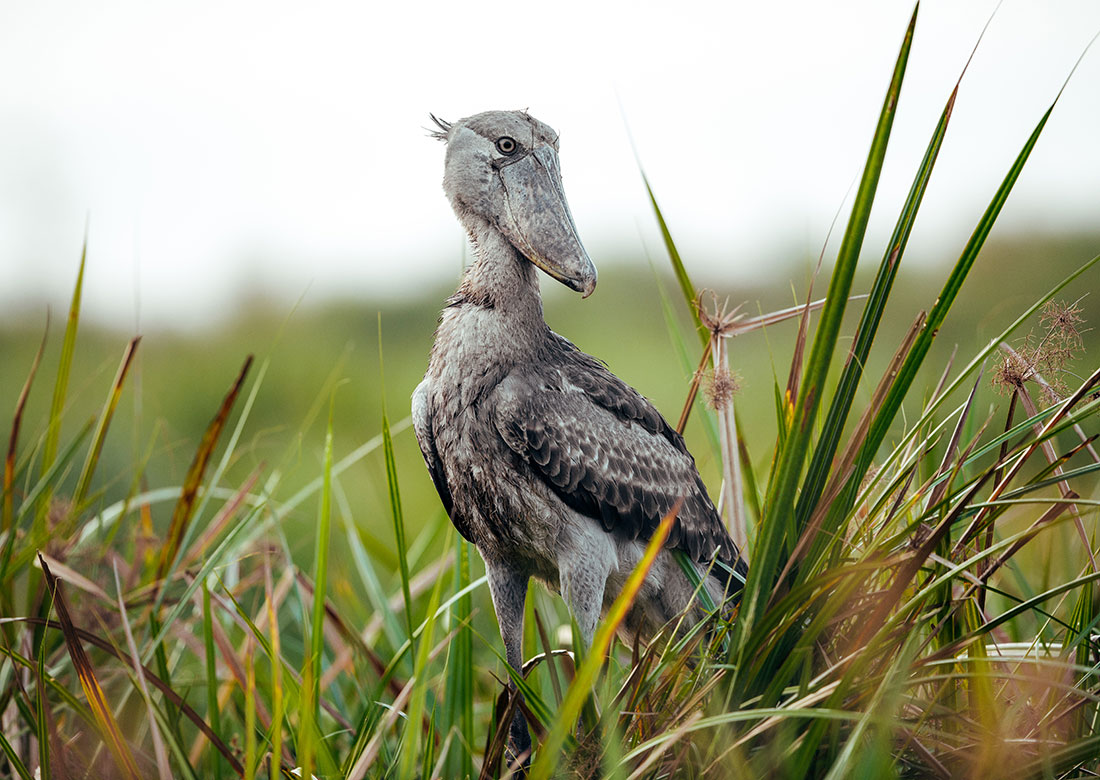
Shoebil Stork In Uganda Shoebill stork is a magnificent, unique, prehistoric, ancient-looking bird that is sought after by visitors in Africa specifically Uganda. Shoebill stork is also referred to as the king whale-head because of its head size and the Arabs used to call it (Abu Maruk) which means the father of the shoe and another one could call it a flying shoe because of its unique bill. Uganda is home to a variety of bird species and wildlife and is the best destination in East Africa where you can see the shoebill stork while on a safari. What makes the Shoebill Stork Bird Unique Shoebil stork is a large outstanding bird with a shoe-shaped bill that is mostly found in the Eastern parts of Africa and is always sought after by bird lovers on a safari in Africa especially in Uganda. It was named the shoebill stork because of its shoe-like bill. An adult shoebill stork has feathers that are mainly grey color while the juveniles are browner in color; the shoe bill stork grows up to 150cm tall in height, 14 pounds in weight, 24cm in length, 20cm in width and 230cm to 260cm wingspan. The male shoebill storks are a little larger and have bigger bil than the females and the bill of a mature adult is about 9 inches long, 4 inches wide with a hook at its tip. Breeding of Shoebill Storks The prehistoric-looking shoebill stork bird is a solitary creature with territories and can be so protective of its territories and forms monogamous relationships during the mating season which takes place between April and June. The shoebill stork can live between 45 to 50 years or more and make their nests on the ground where the eggs hatch from. The female shoebill stork lay two eggs and during the incubation process, both the male and female parents share the incubation duties for one month before the chicks hatch. After hatching the female or mother feed the chicks for one to two months before they adapt to feeding themselves. What the Shoebill Storks Feed On The shoe bill storks in Uganda are found along the lakes and in the swamp areas hence referred to as swamp specialists. The shoe bill storks can stand easily on floating vegetation while hunting and they survive on food in water including lungfish which is their main diet, frogs, lizards, Baby crocodiles, water snakes, puddle fish, Catfish among others. Because of the sharp edges on their wide bill it helps them to feed on water animals. Although the shoebill storks are water birds, they tend to be nocturnal. The shoebill stork bird doesn’t have webbed feet but they can still have the ability to stalk the prey in water because they stand still for long periods awaiting the movements of the prey and then strike at a high speed. When the shoebill stork is flying, they look beautiful while in the air because they have a wide wingspan with heads and necks drawn back. The shoebill stork seems inactive or slow while moving on the ground, and tend to act like statues because they stand still for a long time but are graceful in the air and when attacking their prey they pull back their wings and then approach their prey in a way demonstrating their strength. Shoebil Stork Facts about the Shoebil Stork This is an impressive and somewhat ugly dinosaur-like bird that is found in Uganda. The adult is mainly grey while the juveniles are browner. Their beak is the reason they are called “shoebill storks”. Their long, shoe-shaped beak is used to eat small animals and fish in a single gulp. The end of the beak curves down and forms a hook. This sharp curve is used to pierce through the bodies of their prey to assist in digestion. The young will attack each other. Young shoebills will fight with one another. It is known that shoebill storks are shy animals that prefer to be alone they also have territorial behaviors. When more than one shoebill is born in the same nest, they will compete for attention from the mother. More often than not, the larger bird forces the smaller birds to flee from the nest and live on their own. They are brave. The shoebill stork does not take no for an answer! The species is aggressive. They fight off small and large animals alike. If a weak animal comes across their path, the stork will leap from their hiding place to turn it into a meal. Storks have been known to fight Nile crocodiles, other species of storks, and even each other. However, even though they pick fights, they do not win all of the time! They are extremely patient. Shoebill storks are masters of patience. They will stand in water, large patches of grass, and other hiding places for hours. They know that if they wait long enough for the right moment, they will find their next meal. They don’t make much noise, but they are loud when they do! The shoebill will never make noise when hunting for prey. However, during mating time, the shoebill will release a loud cry to attract a partner. It is a series of loud, terrifying popping noises. They live for up to 35 years. The shoebill stork can live for up to 35 years! Shoebill storks can live long enough to see seven generations. They use their wings to fly and keep balance. They use their wings to fly, intimidate predators, and keep their balance. Like other birds, the shoebill stork can easily lose balance because they stand on two legs. Live in Marshes. A marsh is a wetland that is covered in water for extended periods of time. Marshes rarely have trees but the grass is tall and forms hiding places for species such as the shoebill. Marshes are found on the edges of lakes and rivers where the waterbed is higher. They are solitary
3-Day Uganda Gorilla Trekking & Lake Bunyonyi Safari
3 Day Uganda Gorilla Safari. This safari will take you for Gorilla trekking in Bwindi Impenetrable National Park which covers an area of 321 sq km and is among the oldest forests lasting over 25,000 years. You will be able to trek one of the 12 habituated mountain gorilla groups. Besides the Gorillas, you will also have an opportunity to see other primates such as the red-tailed monkeys, chimpanzees, baboons, black and white colobus monkeys among others. This forest is also home to 120 mammals, 51 reptiles, 310 butterfly species, 27 species of frogs, geckos, chameleons, 163 tree species, 104 fern species, 1000 flowering plants, as well as over 350 species of birds such as the hornbills and the Turacos! Gorilla trekking takes around 2 to 8 hours, which is worth it as those into hiking will have a great time climbing up and about the rolling hills, and going through the lush vegetation. Safari Highlights Safari Inclusions and Exclusions Packing List Safari Highlights Day 1: Travel to Bwindi Impenetrable National Park- 8h 25 min (463.7 Km) via Masaka Road. Day 2: Gorilla trekking in Bwindi Forest Day 3: Departure back to Kampala/Entebbe Detailed Itinerary Safari Inclusions and Exclusions The 9 days Uganda safari package includes; Gorilla permits Chimpanzee permits Batwa visit Game drives Boat cruises Lake Bunyonyi tour Ziwa Rhino sanctuary Park Entrance and Ranger fees All activities included in the tour package Transfers to and from the airport A standard 4X4 tour van An experienced driver with great knowledge about the country and who speaks excellent English Accommodation for 8 nights including meals and water Meals and water outside the hotel Government taxes The safari excludes; Air tickets and entry visas to Uganda Medical and Travel insurance Tips to the gorilla trekking porters, rangers and staff at the hotels Expenses on alcohol, cigars, phone calls, soft drinks, souvenir and anything that can be considered personal Packing List While on a safari in Uganda, you should pack some or all of the following items; A camera: A safari in Uganda is incomplete without a good camera. You cannot come back from a safari without evidence to show your friends and family about the wonderful time you had. Hiking Boots: Gorilla and chimpanzee trekking requires good hiking boots for comfort especially during the rainy season. Stocking: Long stockings will help in tucking in your trousers to avoid crawling insects. Rain Jacket: This is very important while hiking during the rainy season. The rains can be unpredictable in Uganda especially when you consider global warming. There is always the possibility of rain in Bwindi forest regardless of season of the year. Long Shirts and trousers: The game parks and forests contain insects and other crawling creatures that you need to keep off. There are also sharp tree branches and thorns. Long sleeved shirts and trousers will keep off any insects and also protect you from sharp trees. Hand gloves: Hand gloves are important for grabbing leaves and tree branches while hiking through dense forest. Water: Many of the activities mentioned above involve staying out for long hours in the sun. Expect to get dehydrated and tired if you do not pack some water. You need to have water filtration tablets if you cannot move with bottled water. Packed Snack: This is very important for the chimpanzee habituation experience and gorilla trekking. It is difficult to predict when the two activities will end. You are better off parking lunch so that you don’t get hungry. Detailed Itinerary Day 1: Transfer to Bwindi Impenetrable National Park You will be picked up by our guide from the airport/your hotel in Entebbe/Kampala/Kigali after an early morning breakfast at 07:00hrs. You will be briefed about the whole safari before you travel to Bwindi Impenetrable which is found in the southwestern part of Uganda. Along the way there is a local drum and craft making community so you will have a visit here. Then a stopover at the Equator to take photos, also feel free to buy some crafts and souvenirs as you head to Mbarara town where you will have your lunch from. Thereafter, proceed to Bwindi whereby you will arrive in the late afternoon. Check in at the lodge, relax in the evening and have Dinner. Accommodation Options; Mahogany springs/Chameleon Hill/Silver back lodge/Buhoma lodge (Luxury) | Gorilla Mist Camp/Bakiga Lodge/Ichumbi Gorilla Safari Lodge (Midrange) | Ruhija Gorilla friends camp/Rushaga Gorilla Camp (Budget) Day 2: Gorilla trekking- Bwindi Forest After an early morning breakfast, drive to the park headquarters where you will be briefed by the park rangers about what to do and not to do while in the park, also you will be divided in group of 8. After continue and start off gorilla trekking these gentle giants as directed by the rangers. This is a memorable and an amazing experience watching the Mountain gorillas feed, play around and also do their day to day activities. This activity can take 2 hours or even up to 8 hours since its dependent on the location and movement of the gorillas. Also expect to walk long distances in muddy and steep conditions- this will require you to have a walking stick. On meeting the gorillas you will spend one hour with them as you take photos and then later, return back to the lodge. In the evening, you may choose to relax at the lodge or visit the Batwa community which will expose you to their culture basing on how they live, dance, and also hearing stories concerning their culture which will leave you amazed. Have dinner and overnight. Accommodation Options; Mahogany springs/Chameleon Hill/Silver back lodge/Buhoma lodge (Luxury) | Gorilla Mist Camp/Bakiga Lodge/Ichumbi Gorilla Safari Lodge (Midrange) | Ruhija Gorilla friends camp/Rushaga Gorilla Camp (Budget) Day 3: Departure back to Kampala/Entebbe Have an early breakfast, Check-out leaving the “Switzerland of Uganda” and embark on a journey back to Kampala passing through rolling hills with terraces and also you will have a great time viewing the lush vegetation of the different areas you will go through.